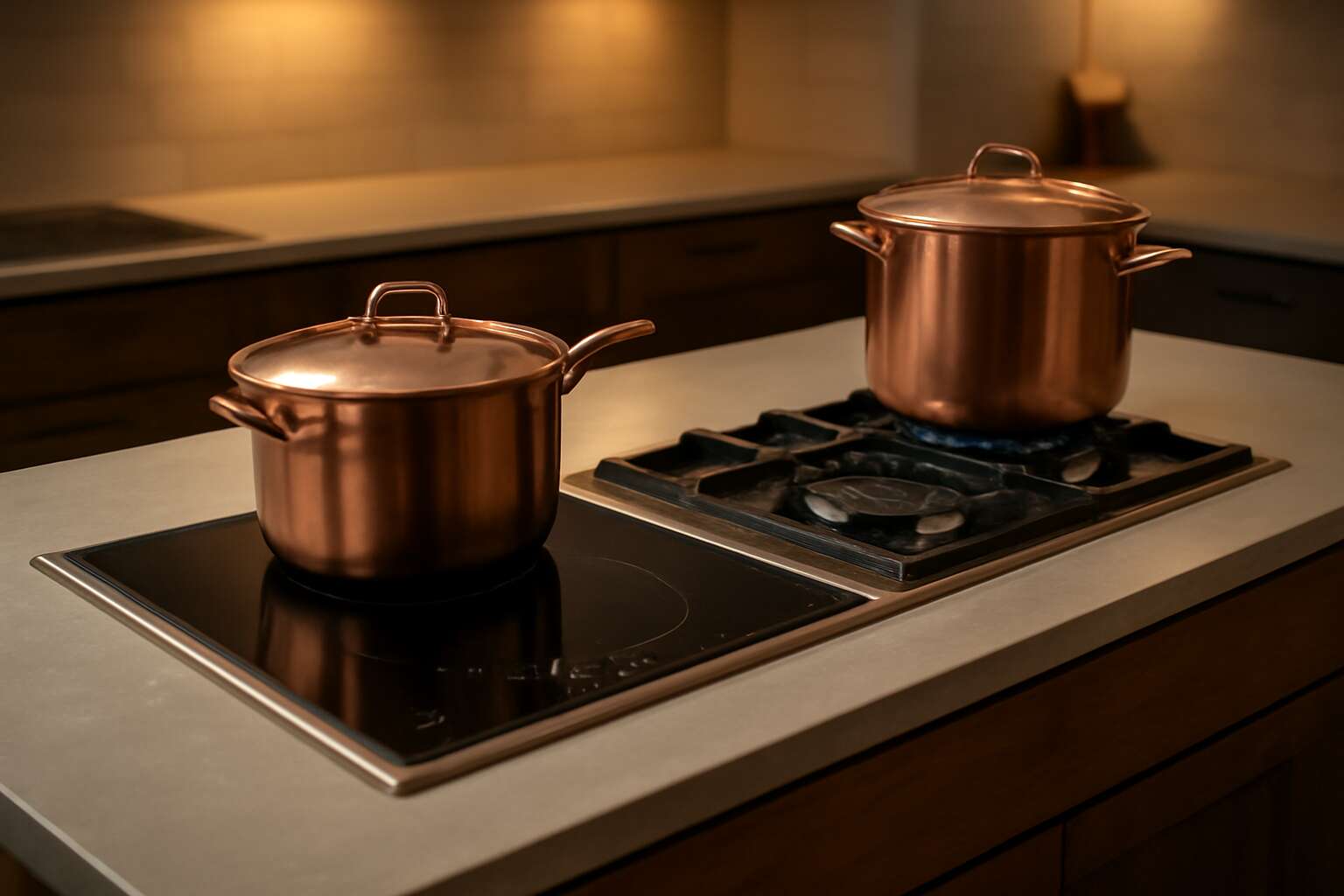
Electric vs Gas Stove Essentials
What is an electric stove and how it works
Heat that responds instantly can redefine your cooking. An electric stove uses coils or radiant elements beneath a glass-ceramic cooktop, turning electricity into steady heat. In South Africa, households weigh electric and gas stove options for safety, efficiency, and how a kitchen feels in practice. The choice hinges on control, reliability, and how heat meets your pan.
Key components of an electric stove include:
- Coils or radiant elements under the glass-ceramic surface
- Glass-ceramic cooktop that’s easy to wipe clean
- Thermostatic controls and safety indicators
How it works is straightforward: electricity powers resistance in the coils, heating them while heat transfers by conduction to cookware. Knob or touch controls modulate the current, delivering precise, predictable warmth cherished by many SA cooks in everyday kitchens.
What is a gas stove and how it works
I’ve watched countless South African kitchens brighten with the familiar hiss of a gas flame on windy evenings, and that soft crackle is a comforting metronome. Gas stoves run on natural gas or LPG, feeding burners that deliver a direct, controllable flame to your pan. They offer instant heat, visible feedback, and a cooking rhythm that many SA cooks rely on.
Key components of a gas stove include:
- Burners and sturdy trivets
- Ignition system (piezo or manual)
- Control knobs with precise flame adjustment
- Gas supply line, regulator, and flame‑failure safety features
How it works: Gas flows through the regulator to the burner, the knob opens the valve, and the ignition lights the mix. The flame heats cookware directly, giving you immediate, tactile control over simmer and sear, a familiar sensation for many SA kitchens.
Choosing between electric and gas stove options comes down to outages, cost, and how you cook in South Africa. The type you pick shapes not just meals, but the rhythm of daily life in the home.
Hybrid and dual-fuel options
The electric and gas stove dynamic shapes SA kitchens, especially when load shedding rewrites the evening. Heat is a tangible language here—flames licking a pan for some, the controlled glow of an electric oven for others—each choice writing its own rhythm into supper time and the kitchen’s quiet drama!
- Hybrid: a gas cooktop paired with an electric oven, marrying instant flame control with reliable baking.
- Dual-fuel: a gas top with an electric oven built for even heat and dependable convection when you bake.
These options speak to outages, fuel costs, and how you prefer to interact with heat in SA kitchens. With safety features like flame‑failure devices and robust regulators, the choice becomes less about trend and more about preserving the ritual of cooking, regardless of the power cycle.
Key use-case scenarios for electric vs gas
In SA kitchens, the decision isn’t about brand so much as the rhythm of supper. “Heat is a language,” a SA home chef once said, and the way you speak it matters when load shedding rewrites meals!
When you need speed and control for a flash-boil, gas has the edge; for reliable, even baking, electric ovens do their quiet ballet. Here are key use-case scenarios that translate to real-world kitchens, not spec sheets.
- Weeknight noodles: a quick flame for a rapid boil, then predictable oven results for a saucy bake.
- Roast and veggies: a gas top for searing, an electric oven for even, finish-fast browning.
- Power-outage planning: a sturdy regulator and a gas hob keep simmering while the rest of the kitchen learns patience.
Beyond the sparks and glow, the choice anchors ritual, safety, and budget, making the electric and gas stove a practical partner in meals across South Africa.
Performance and Control
Heat up time and temperature accuracy
Heat is a living dialogue in the kitchen, and the right stove lets it speak clearly. “Heat should listen as much as it speaks,” my grandmother insisted, a reminder that control turns meals from guesswork into art—especially on an electric and gas stove.
From simmer to sear, heat up time marks the difference between timing and chaos. Electric elements wake with a gentle pulse; gas flames roar into action. Temperature accuracy follows when you trust cookware and preheat just long enough.
- Pan bottom contact and material
- Burner-to-pan size ratio
- Preheating duration and lid use
Mastery comes from reading the flame, not fighting it. With that setup, you gain a unified rhythm that suits braais, sauces, and delicate whites, delivering confidence rather than guesswork.
Cooking methods and suitability for different dishes
Performance on the electric and gas stove is a dialogue in the kitchen—soft electric hums meeting a roaring flame, each whisper guiding the next move. I watch heat tighten its grip on the pan and release it just as the crust forms, a balance between patience and assertive flame. Mastery here comes from reading the room, not forcing it, turning every dish into a measured ritual.
In practice, method and mood determine what the stove favors. A few truths align with the plate you crave:
- Searing and high-heat bloom more boldly on gas for steaks and peppers.
- Even simmering and delicate reductions unfold with quiet confidence on electric.
- Hybrid or dual-fuel setups unlock braises and sauces that demand both speed and tenderness.
When the flame is read as a partner, the stove becomes a compass for flavors from braai-inspired sauces to refined whites, delivering confidence rather than guesswork in every kitchen moment.
Heat distribution and burner layout
Performance and control on the kitchen stage reveal how heat obeys you rather than the other way around. The electric and gas stove offer opposite tempos—a whisper of simmer on electric, a roar on gas—and I read the room until the pan tells me when to move!
Within its design lie the secrets of distribution. Burners of differing sizes map heat to the plate. Consider this anatomy:
- Wide-cap burner for searing and bold high-heat
- Medium simmer burner for even, quiet reductions
- Compact auxiliary burner for gentle tasks
In South Africa, that thoughtful layout translates to every recipe, from hearty stews to delicate sauces, with a rhythm you can trust. The burner map becomes a quiet conductor, guiding connections between heat, pan, and palate—no drama, just precision.
Durability, maintenance, and cleaning tips
“Heat is a language you learn to listen to,” and in my kitchen that language is spoken by every burner. Across South Africa, the electric and gas stove becomes a steady partner, delivering predictable performance when you need it most.
Durability sits in the chassis: solid frames, enamel, and sealed burners that shrug off steam and splatter. The stove you choose should feel tactile—knobs that resist stray twists, grates that sit flat, and a surface that wipes down without warping. This quiet sturdiness translates to nights of confident cooking and less downtime.
Maintenance matters. The aim is longevity, not brute force. Finishes stay bright and resilient, a sign of thoughtful design and care. For the long run, the right balance of materials and seals keeps performance singing.
To keep that harmony intact, consider these guiding principles:
- Durability features
- Maintenance philosophy
- Cleaning principles
Cost, Efficiency, and Safety
Installation requirements and upfront costs
Cost considerations for an electric and gas stove hinge on upfront price, installation, and ongoing bills. In South Africa, gas lines and venting add fees, while electric units may need a dedicated circuit. The initial outlay shapes kitchen reliability and resale value.
Efficiency matters beyond ratings. Electric stoves with induction often heat more efficiently and with greater precision, while gas offers fast response and superb simmer control. Real gains come from cookware, pan size, and technique rather than the fuel alone.
- Pan material matters
- Proper burner design helps
- Ventilation supports safety
Safety and installation requirements in SA require licensed professionals. Gas stoves rely on compliant gas supply, correct venting, and detectors; electric stoves need proper wiring and circuit protection. Upfront costs cover safety checks and certification, delivering long-term peace of mind.
Energy efficiency and operating costs
The choice of an electric and gas stove in SA kitchens intertwines upfront costs, installation, and ongoing bills. Gas lines, venting, and the need for a dedicated circuit for electric units can push the total, yet energy efficiency and operating costs can tilt the balance toward one side or the other. The payoff is enduring reliability and resale value.
Efficiency matters beyond the rating. Induction electric surfaces waste little energy and offer precision, while gas delivers fiery response and intuitive control. Real gains whisper through cookware, pan size, and technique; fuel matters less than how you wield the heat.
Safety in SA demands licensed professionals. Gas stoves rely on compliant gas supply, correct venting, and detectors; electric models require proper wiring and circuit protection. Upfront safety checks deliver long-term peace of mind, even as the kitchen sighs under the weight of efficiency.
- Gas supply compliance
- Ventilation and detectors
- Circuit protection and licensed certification
Safety features and best practices
In SA kitchens, upfront costs and installation decisions can steer your budget as surely as a simmering pot guides a cook. The choice between an electric and gas stove shapes not only the price tag but the long arc of energy bills. Gas lines, venting, and a dedicated circuit can push totals higher, yet energy efficiency and enduring reliability can tilt the balance in your favour. The payoff: lasting resale value and the quiet confidence of a kitchen that works when you need it.
Efficiency matters beyond the rating. Induction electric surfaces waste little energy and offer pinpoint control, while gas delivers a fiery response and intuitive handling. Real gains arrive with cookware, pan size, and technique; fuel matters less than how you wield the heat in a busy South African kitchen.
Safety in SA demands licensed professionals. Gas installations require careful supply alignment and professional checks; electric units depend on correct wiring and circuit protection. An upfront safety review pays dividends in long-term peace of mind as the kitchen hums with efficiency and reliability.
Longevity, warranty, and resale considerations
In South African kitchens, the price tag on an electric and gas stove is more than a sticker; it foreshadows energy bills, service needs, and how long the unit stays humming without drama. Smart choices blend initial cost with durable components, robust safety features, and dependable performance that holds value when it comes time to sell.
Warranty, longevity, and resale considerations aren’t afterthoughts; they anchor confidence in a busy home. The following factors help safeguard that confidence:
- Warranty coverage windows, regional service reach, and parts availability for SA markets
- Resale value drivers: reliable heat control, easy maintenance, and strong brand support
- Safety certifications, gas compliance checks, and proper electrical installation verification
With these in mind, a stove that ages gracefully reduces risk and preserves equity. The right balance of warranty promise and real-world durability translates into lasting resale appeal and everyday reliability.
Buying Guide and Practical Tips
How to choose electric vs gas for your kitchen
Across South Africa, 40% of households say reliability trumps speed when choosing a stove, making the decision between an electric and gas stove a true kitchen weather vane. This buying guide highlights space, costs, and daily cooking rhythms, helping you weigh options with clarity.
- Layout and connections: ensure your electrical circuit or gas line can handle a new unit.
- Running costs: factor electricity tariffs, gas prices, and burner efficiency.
- Service and warranty: check local support networks and parts availability.
When space, style, and energy choices align, your kitchen can sing and cooking becomes a confident ritual.
Space, size, and fit: measuring for compatibility
In South Africa, space is a luxury you measure as you plan your kitchen; 40% of households say reliability trumps speed when choosing a stove. The electric and gas stove sits at the crossroads of style and practicality, demanding a plan rooted in space, size, and fit.
Begin with the map of your kitchen: gauge the cutout width and depth, then note any knobs, rails, or pan supports that steal room. Allow for clearance to nearby cabinets, a vent hood, and the splashback, and locate the nearest electrical outlet or gas line with a patient eye. Measure from the wall to every protrusion and add a sensible margin for installation tolerances so future upgrades won’t rattle the countertop.
With measurements exact, compatibility transforms from guesswork into confident architecture, letting your stove breathe and your culinary rhythm stay unbroken.
Brand comparisons, features, and warranties
In South Africa, reliability outranks speed for 40% of households when selecting a stove, and the choice between an electric and gas stove sits at the crossroad of heritage and modern living. A buying guide becomes a map—guiding you toward brands with solid warranties, thoughtful features, and enduring performance.
Brand comparisons hinge on solid service networks, honest warranty terms, and feature sets that suit your rhythm.
- Local service and parts availability
- Warranty length, coverage, and transferability
- Control precision and cookware compatibility
- Energy efficiency and operating costs
Think about warranty as a promise you can trust; explore what kicks in after the sale—coverage for heating elements, controls, and safety features. Shop with curiosity and patience, allowing brands to show you their commitment to the kitchen you design—an electric and gas stove that matches your space, your budget, your windward heart.
Budget planning and financing options
In South Africa, reliability outranks speed for 40% of households when choosing a stove; that honesty should shape your plan. A buying guide becomes a budget map: decide what you can commit upfront and what you’re comfortable paying over time. When you’re weighing an electric and gas stove, look beyond the glossy finish to installation needs, energy use, and long-term running costs. The right model fits your space, your rhythm, and your pocket—today, tomorrow, and in the meals you’ll share in a kitchen that carries your family’s stories.
To keep it practical, consider financing options that South African retailers and banks offer, and factor in delivery, setup, and potential upgrades to gas or electrical circuits.
- Installation needs and any electrical or gas upgrades
- Financing terms, including down payment and interest
- Retailer promotions or 0% offers
- Estimated monthly running costs based on your tariffs


0 Comments