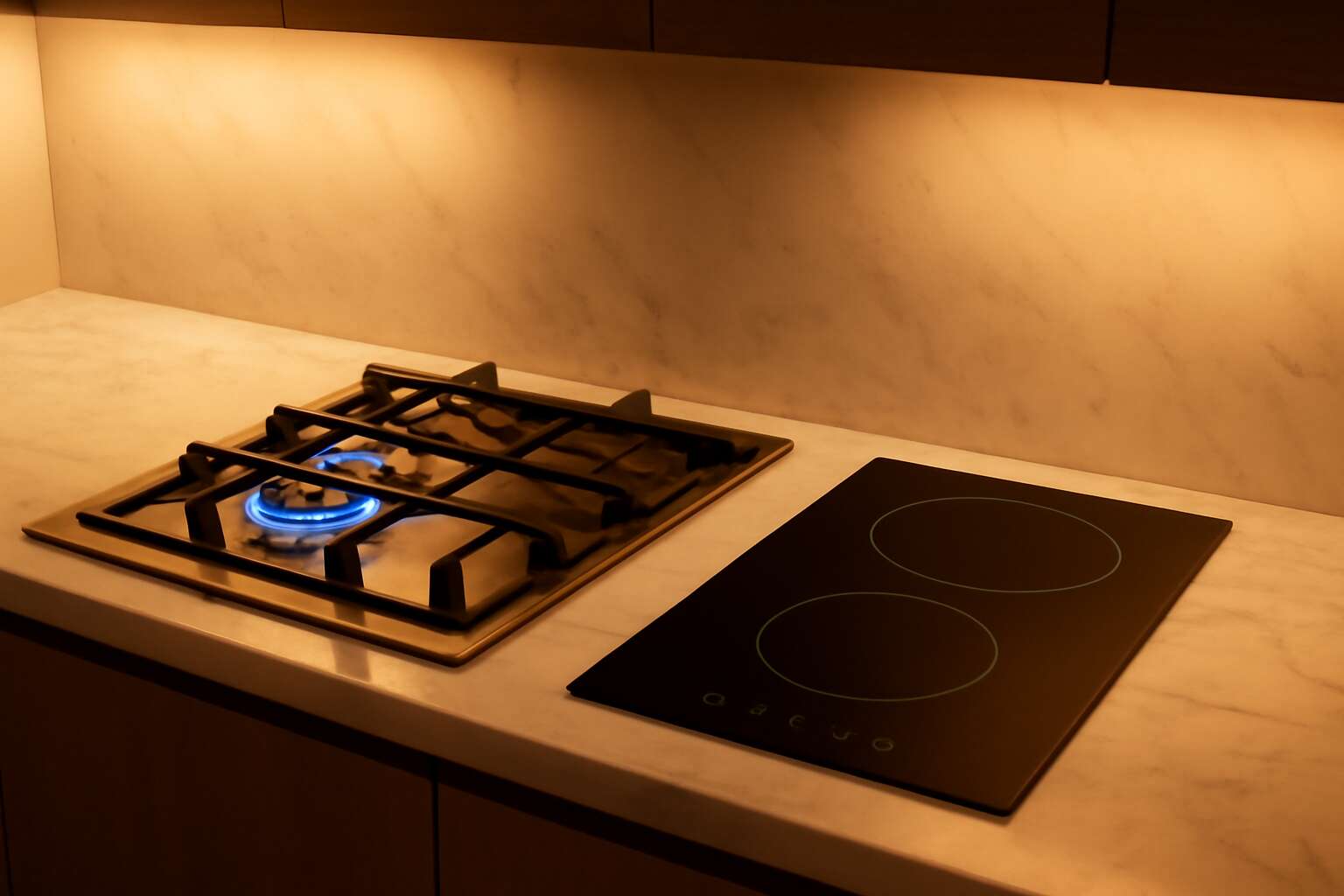
Heat and Cooking Performance
Instant Heat Response and Temperature Control
In South Africa’s kitchens, speed at the stove can define a dinner. Gas stoves often warm water about 60% faster than electric rivals, a speed that matters when a recipe hinges on a quick boil. When you compare gas stove versus electric stove you sense the edge of instant heat and a flame you read at a glance!
- Instant heat response on gas translates to near-immediate sizzle, hot sears and quick reductions of sauce.
- Electric stoves deliver steady temperature control, ideal for delicate sauces and even simmering.
- Clear, intuitive feedback, with ceramic or coil tops, shapes how you tune heat for different dishes.
Temperatures rise and fall with a drama that savvy cooks monitor; gas can spike for a fast boil, while electric strolls with gradual, controlled changes. For South African kitchens, the choice blends layout, energy costs, and the art of balancing speed with finesse.
Even Heating and Temperature Consistency
Heat is the boss in a South African kitchen, and the stove is its loudmouth sidekick. “A good simmer is a quiet victory,” my mentor liked to remind me, and the pan still proves him right every time a sauce finds its perfect whisper of heat.
Gas stoves deliver drama with near-instant flame feedback, ideal for bold sears and rapid reductions. Electric tops offer steadier, more predictable heating, kinder to delicate sauces and slow-simmered braises. The trick is pairing cookware with the stove’s temperament for truly even cooking.
The choice between gas stove versus electric stove comes down to cooking tempo and kitchen realities in SA.
- Quick boil and crisp edges with gas
- Gentle, uniform simmer with electric
Simmering Capabilities and Low-Heat Cooking
“The quiet simmer wins the sauce,” is a refrain I hear in many SA kitchens. When weighing gas stove versus electric stove, the tempo of heat shapes every pot and pan we reach for.
Gas stoves offer near-instant flame feedback for fearless reductions and bold sears. Electric tops stay steady, reducing the risk of scorching and keeping delicate sauces from riding too hot a wave.
- Gas: quick reductions and crisp edges on high-heat tasks
- Electric: stable, even heat for long, patient simmering
Low-heat cooking becomes a finer art with electric, where a glaze or jus can drift at a whisper. On gas, low often carries a pulse—gentle, yes, but still with momentum to guide flavors further.
In SA kitchens, the stove’s temperament often writes the night’s dinner before the ingredients do. Heat, used with care, becomes a partner rather than a rival, and the table tastes that truth.
Specialty Cooking: Woks, Grills, and Bake Settings
Gas stove versus electric stove isn’t a stale debate; it’s the difference between a stir-fry sprint and a patient braise. For specialty cooking like woks, the gas flame delivers blistering heat and quick flame control, creating that coveted wok hei. Electric tops steady the scene, turning delicate throws of sauce into a more predictable performance.
Grill settings feel more authentic on gas, where direct flame sears edges fast and runs hot when needed. Electric equivalents offer steadier heat with less flame flare, which some SA kitchens prefer for consistency. Bake settings shine in electric ovens, delivering even browns and reliable convection—though gas ovens can demand a watchful eye to avoid hotspots.
- Woks: high-heat performance and rapid tossing
- Grills: authentic sear with true flame
- Bake settings: reliable convection and even browning
Energy Efficiency in Cooking: Short and Long Runs
In South Africa, a kitchen’s energy personality matters. Recent surveys hint that households waste up to 12 minutes daily chasing uneven heat. Between gas stove versus electric stove, the real decision isn’t aesthetics but rhythm: fire’s drama versus circuits’ patience. Gas provides kinetic heat for quick sears; electric delivers a more methodical tempo, especially when patience is required for long, low-simmer cooking and reliable convection in ovens!
For energy budgeting, consider these contrasts:
- Short, high-heat bursts favor gas, delivering blistering sears and fast translation of heat to the pan.
- Long, even simmering and stable temperatures benefit electric tops, smoothing out fluctuations across extended cook times.
Cost Considerations and Energy Efficiency
Initial Investment and Installation
Heat is a ledger that never closes, and in South Africa the choice between gas stove versus electric stove extends beyond taste into the currency of daily life. I’ve watched kitchens tally upfront costs, installation quirks, and ongoing maintenance, all while simmering sauces and plans for savings. The decision balances immediacy with long-term stewardship of energy.
Initial investment and installation shape the frame of any kitchen upgrade. Consider the following essentials as you weigh options:
- Upfront appliance price and hob size
- Installation costs: gas line or electrical work, permits, and certification
- Ongoing operating costs: tariff structures and routine maintenance
Energy efficiency speaks softly but decisively. In South Africa, electric stoves often offer precise control that curbs waste, while gas delivers rapid heat for the hungry dinner rush—especially when tariffs shift. The real win is installation quality and how the system fits your cooking rhythm.
Operational Costs: Gas vs Electricity
“Heat is life,” a line you hear in every bustling kitchen, and the cost of that life is measured in rand and rhythm. The choice between gas stove versus electric stove becomes a dance of tariffs, efficiency, and daily meals. A well-tuned gas setup may trim simmer costs during peak hours, while an electric option can minimize waste with precise temperature control. Consider the long arc of bills alongside the allure of speed and control.
- Tariff variability and peak pricing
- Maintenance and part replacement
- Longevity and resale value
Energy efficiency works in the margins, letting small savings accumulate across a season. In South Africa, tariff structures and the cadence of electricity use can tilt the balance between speed and frugality. The winning system is the one that harmonizes your cooking rhythm with the bill you’re willing to wear.
Energy Efficiency and Utility Savings
South Africa’s electricity tariffs leap and lunge with the seasons, turning the gas stove versus electric stove decision into a daily budget dance. It’s not just speed—it’s the price per simmer, measured in rand and rhythm.
Tariff variability and peak pricing tilt the balance toward one system when a hearty watt is watching the meter. Maintenance needs and the cost of parts creep in, while longevity and resale value can outlive a kitchen fad.
A quick snapshot of what moves the needle:
- Tariff swings and peak-rate schedules affect monthly bills
- Maintenance and replacement parts for stoves can tilt life-cycle costs
- Longevity and resale value influence overall affordability
It’s energy efficiency in the margins that quietly earns a crown—tiny savings stack up across a season, especially if your cooking cadence favors smaller, rapid boils or patient, low-watt simmering. The smart choice respects both speed and sense.
Long-Term Cost of Ownership
Across South Africa’s kitchens, the long game beats the quick thrill of instant heat. gas stove versus electric stove is the core question when you measure total cost: upfront price, ongoing energy use, and the burden of repairs over years. A smart choice blends today’s ease with tomorrow’s reliability, leaving a kitchen that works as quietly as it does efficiently.
- Upfront installation and wiring or gas-line needs
- Ongoing energy costs over the appliance life
- Maintenance frequency and parts availability
- Durability, warranty, and resale value
Long-term cost of ownership hinges on how you cook and how the appliance ages with your routine. In a market of shifting tariffs, steady efficiency often wins the budget over flash.
Environmental Footprint and Emissions
The flame in a South African kitchen keeps time with daily rituals, and reliability often outshines novelty. “Reliability is flavor,” a chef once said, and that truth anchors every decision about homes, not just haute cuisine!
Cost considerations and energy use shape the choice between gas stove versus electric stove. Installation whispers of fixed lines or cylinders, while tariffs and load shedding tilt the ongoing bill toward whichever fuel remains steadier at peak cooking hours.
- Capital outlay versus ongoing energy spend
- Fuel availability and price volatility
- Maintenance tempo and parts access
- Environmental footprint considerations
Emissions and footprint: in a grid leaning on coal, electric heat can carry a heavier cloud, whereas gas brings combustion emissions that rise with usage; in modern homes, cleaner options often emerge when paired with efficient ventilation and smarter usage patterns.
Safety, Maintenance, and Durability
Gas Safety Protocols and Ventilation
More than half of South Africa households weigh safety when choosing between gas stove versus electric stove. Safety matters in every kitchen, and the choice can hinge on details like ventilation and alarms. A gas setup demands clear ventilation, a working CO alarm, and immediate gas shut-off readiness. Alert habits include checking for weak connections and never leaving a flame unattended.
Maintenance keeps any stove dependable. Regular care extends life and preserves performance in busy South Africa kitchens. A clean, well-ventilated space around the hob supports consistent heating, no matter gas or electric.
Durability leans on build quality and care. A robust unit with good safeguards endures, and a kitchen with proper ventilation reduces corrosion and prolongs life. Gas Safety Protocols and Ventilation are not afterthoughts; they protect homes and people.
Electrical Safety and Grounding Practices
In the debate over gas stove versus electric stove, safety becomes the compass guiding choice. South Africa’s kitchens deserve electrical safety that stays steady under pressure—clear grounding, quality insulation, and a respect for power that never falters when demand climbs.
Maintenance is the patient gardener of performance. Regular care keeps connections clean and heat stable, preserving reliability through busy mornings and long South African evenings alike.
Durability rests on robust design and the fidelity of electrical safety and grounding practices, a steadfast promise that a well-built unit remains trustworthy year after year.
- Grounding integrity in the electrical supply
- Insulation and cord wear protection
- Surge tolerance and component quality
Cleaning, Maintenance, and Spill Management
Safety is the quiet boss of the kitchen. When comparing gas stove versus electric stove, safety is the compass guiding your choice! South Africa’s kitchens deserve electrical safety that stays steady under pressure—clear designs, robust insulation, and a power system that keeps up when the evening rush hits.
Maintenance acts as the patient gardener of performance. Regular care keeps heat steady and connections clean, preserving reliability through busy mornings and long South African evenings. Cleaning, maintenance checks, and spill management shape the routine. Consider these focus areas:
- Cleaning to reduce grime and sustain smooth operation
- Routine checks of cords and fittings for wear
- Spill management that keeps surfaces dry and safe
Durability rests on robust design and the fidelity of safety practices, a steadfast promise that a well-built unit stays trustworthy year after year. With solid materials and tight tolerances, the appliance endures the daily grind.
Lifespan, Durability, and Common Wear
Safety is the quiet boss of the kitchen, especially in South Africa where power fluctuations and ventilation test your resilience. When weighing gas stove versus electric stove, your choice becomes a balance of shutoff reliability, gas leaks, and everyday calm in the home.
Maintenance acts like a patient gardener: it keeps heat steady and components clean, preserving reliability through busy mornings. Think of it as a long-term safety investment that pays off when the dinner rush hits and you still feel in control.
Durability hinges on robust design and sensible wear management. Gas stove versus electric stove wake up with different common wear: cast-iron grills, enamel, ceramic tops, and ignition wear. A well-built unit endures year after year when materials and tolerances stay true.
Repairs: Availability of Parts and Service
Power fluctuations and gas leaks make safety the quiet boss in SA kitchens, where the choice between gas stove versus electric stove hinges on reliable shutoffs and proper ventilation. A well‑coordinated system keeps risk low while delivering peace of mind during busy evenings.
Maintenance acts as a steady anchor, preserving performance through everyday use. Regular checks on hoses, igniters, and seals, plus timely servicing, reduce surprises when the dinner rush arrives and calm is needed.
Durability and repairs depend on access to parts and service. In South Africa, a stove backed by a robust parts network and responsive technicians rises above the rest in the long haul. Availability of Parts and Service for gas stove versus electric stove matters, especially in rural areas.
- Local spare parts stock in major cities
- Trained technicians for both gas and electric systems
- Clear warranty and service windows
Kitchen Design, Features, and Usability
Ventilation Requirements and Hood Compatibility
Kitchen design anchors how we cook, entertain, and move through space. In a sunlit South African kitchen, a gas stove on an island can be the room’s heartbeat, while an electric range brings minimalist elegance and calm sightlines.
Features and usability hinge on control feel, burner layout, and pan stability. Gas heats instantly and roars to life; electric stoves offer quiet, steady heat. The choice—gas stove versus electric stove—depends on rhythm, cookware, and how forgiving you want the kitchen to be.
Ventilation requirements and hood compatibility seal the design’s fate. SA homes benefit from hoods sized to the stove’s output and duct runs that suit apartment layouts.
- Match hood CFM to BTU
- Assess duct size and runs
- Ensure proper clearance height
Control Interfaces and User Experience
In a sunlit South African kitchen, a stove isn’t merely an appliance—it’s a rhythm, a heartbeat that shapes the day. The gas stove versus electric stove debate resonates as a design choice as much as a heat source, with flame delivering instant drama and electric heat offering calm, clean lines. “The flame is the kitchen’s pulse,” a designer whispers, and the room leans into the warmth.
When it comes to control interfaces and user experience, form follows function. Gas stoves rely on tactile knobs with satisfying detents; electric ranges lean on smooth tops or digital displays. In South Africa, outages add a layer—reliable feedback during a power cut can feel like a quiet victory. I watch the interface as I cook, and the gas stove versus electric stove debate becomes a choreography, not a choice.
- Tactile knobs with detents and feedback
- Independent simmer and power settings
- Clear timers and status indicators
Cooktop Design, Aesthetics, and Finishes
South Africa’s kitchens are becoming style stages where heat meets surface. A recent SA interior survey shows 63% of homeowners prioritise cooktop aesthetics as much as performance. The gas stove versus electric stove debate is as much about architecture as appetite, pairing rugged cast-iron grates with either industrial knobs or a glass-ceramic canvas. The right finish sets the mood—from brushed stainless to deep matte black—while the surface dictates cleaning ease and spill drama.
- Surface materials and finishes that resist fingerprints
- Grate design for stability and easy pan movement
- Cleanability and edge profiles that align with your workflow
Whether you favor flame drama or glass-clean calm, the design language of your cooktop communicates your kitchen’s rhythm and reliability. Finishes and edge profiles can lift a room without stealing attention from the stove’s core function.
Accessory Compatibility: Wok Burners and Griddles
Heat is a language, and South Africa’s kitchens translate it into daily rituals. A recent survey suggests 68% of urban cooks prize versatile accessories alongside core power, turning the cooktop into a stage where spontaneity meets precision. Design is a moral as well as practical choice!
Between gas stove versus electric stove, the choice isn’t only about energy—it’s about the choreography of a kitchen. Wok burners and griddles unlock big-flavor routines and quick-service mornings, letting a single device morph into a complete culinary toolkit that fits South Africa’s dishes.
- Wok burners for high-heat searing
- Griddles for breakfast and pan-searing
Accessory compatibility guides usability: the right options align with your workflow, not fight it. A thoughtful design language—ergonomic controls, easy-clean edges, and a finish that resists fingerprints—keeps focus where it belongs: on the act of cooking.
Smart Features and Tech Integration
Kitchen design isn’t simply style; it shapes how you cook. In South Africa’s diverse homes, choosing gas stove versus electric stove defines workflow as much as power. A striking 68% of urban cooks prize devices that blend form with function, turning the hob into a stage for everyday artistry and practical reliability.
Features and smart integration define today’s cooktops. Seek models with precise heat mapping, intuitive controls, and seamless app connectivity.
- Smart timers adapt to your meal plan
- Integrated probes for exact temperatures
- App-driven energy-use insights
Usability means easy cleaning, durable finishes, and safe electricals. An ergonomic layout keeps hands free for the moment of truth, while quiet operation preserves kitchen dialogue and focus.
Buyer Scenarios and Decision-Making
Who Benefits Most from Gas Cooking
Heat as a conversation with your pan shapes South African kitchens, and the choice often comes down to gas stove versus electric stove. For buyer scenarios, three profiles surface: the quick-tempered home cook who needs instant response for searing and wok work; the household grappling with load shedding, where a dependable heat source matters more than glossy features; and the budget-conscious shopper who weighs upfront costs against long-term fuel and maintenance. The right pick aligns with rhythm, gas supply realities, and a willingness to adjust on the fly.
Decision-making in this arena centers on reliability, control, and local realities. Those who prize tactile flame control and fast changes will benefit most from gas; others in power-stable homes may prefer electric’s steady, predictable performance. In South Africa, the choice becomes a balance of immediacy and resilience, where everyday cooking meets cost calculus and the comfort of dependability!
Who Benefits Most from Electric Cooking
Electric cooking isn’t just about a sleek panel; it’s a lifeline when the lights dip and dinner must still roar. In South Africa, where load shedding disrupts meal prep, the argument for electric cooking grows sharper. The choice between gas stove versus electric stove often comes down to reliability, maintenance, and timing.
- Urban households with steady electricity crave programmable timers and precise simmering.
- Families facing outages benefit from heat that recovers quickly.
- Budget shoppers weigh upfront costs against long-term electricity savings.
Electric cooking shines for households craving resilience and predictable performance, a steadier rhythm in the kitchen when the grid falters and flexibility matters more than flash.
Space, Budget, and Maintenance Constraints
In South Africa, a surprising 75% of households say reliability under load shedding shapes their stove choice, turning the kitchen into a small workshop of resilience. The question gas stove versus electric stove isn’t only about flame speed or digital clocks; it’s about how a family schedules meals around the grid. I hear families map scenarios—outages, urban apartments, or spacious homes—and weigh the dance between upfront cost and long-term peace of mind.
- Upfront vs running costs and budget planning
- Maintenance networks, spare parts, and local technician availability
- Installation complexity, hood compatibility, and service lifespans
Ultimately, the decision space is shaped by personal risk tolerance and the cadence of daily life, where maintenance constraints meet the calendar of chores and gatherings.
Rental Homes, Apartments, and New Builds
Across South Africa’s rental markets and new-build developments, the stove you pick shapes more than meals. The debate isn’t only about flame speed or aesthetics; it’s about how a family schedules cooking around the grid. In rental homes, apartments, or a freshly built house, the choice between gas stove versus electric stove becomes a planning tool, balancing reliability, access, and daily rhythms!
- Rental Homes: Flexible gas or electric arrangements can ease short-term leases, but maintenance headaches linger.
- Apartments: Ventilation and building rules matter; electric options may reduce shared-duct concerns.
- New Builds: Designing from scratch lets you align wiring, gas lines, and smart controls with long-term needs.
Ultimately, these scenarios hinge on personal risk tolerance and the cadence of daily life—who handles outages, how often meals must be scheduled, and how much wiggle room is allowed in chores and gatherings.
Warranty, Service Availability, and After-Sales Support
In a SA where outages feel more routine than a morning cuppa, the choice between gas stove versus electric stove isn’t mere preference—it’s risk management. A sharp warranty keeps the kitchen singing when the grid takes a day off. “The service promise is hotter than the burner,” quips a seasoned retailer.
When you weigh gas stove versus electric stove, warranty, service availability, and after-sales support matter as much as heat control.
- A warranty that clearly defines what’s covered (parts, labour, and safety-related components).
- A broad service network that can respond quickly in urban and rural areas.
- Assurance of genuine parts and trained technicians through authorized channels.
Across Rental Homes, Apartments, and New Builds, the after-sales footprint can swing daily life from Okay to unstoppable. In SA, dependable support turns a good stove into a reliable workhorse.


0 Comments