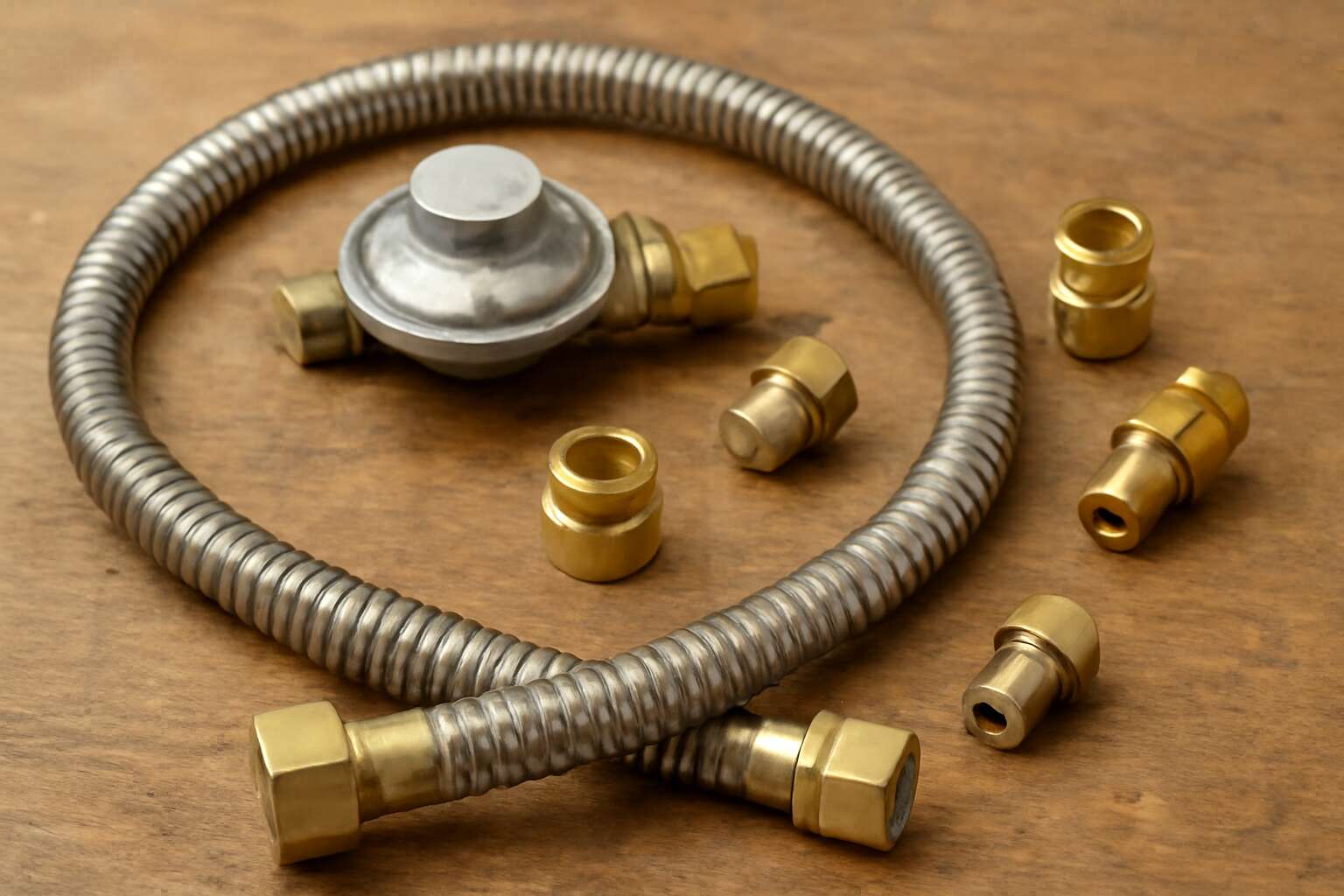
Choosing the Right Gas Connector Kit
Key components explained and their functions
In the home where comfort meets caution, the connector is a hinge of safety—quiet, but decisive in its duty!
Choosing the right gas appliance connector kit means weighing pressure rating, hose length, and material; these details determine performance and peace of mind. A well-chosen kit becomes a quiet guardian, weaving appliance and supply with understated elegance.
Key components explained and their functions:
- Flexible connector hose: absorbs movement and seals tightly.
- Pressure regulator: maintains a safe, steady gas flow.
- Shut-off valve: isolates the line for maintenance without disturbing others.
- Seals and fittings: durable joints that resist leakage over time.
For South African homes, selecting a gas appliance connector kit means aligning with local standards and ensuring compatibility with your appliance and gas type.
Sizing, compatibility, and type considerations
Gas safety in South African homes hinges on tiny parts that do heavy lifting. A well-chosen connector line is the quiet guardian of a calm kitchen, preventing leaks without fanfare!
Choosing a gas appliance connector kit means sizing, compatibility, and type considerations—get these right, and the rest takes care of itself.
- Gas type compatibility (natural gas vs LPG) and local standards
- Hose length that suits the layout and allows for movement
- Materials and fittings that meet SA certifications and resist leakage
In the South African context, align the kit with appliance interfaces and the gas supply to keep a home running smoothly—without drama, just dependable service.
Materials, durability, and environmental suitability
In South Africa, the unassuming heartbeat of a safe kitchen sits in a slender hose. It whispers rather than roars, yet a single misfit can redraw the glow of a stove into worry. A reliable gas appliance connector kit acts as the quiet guardian of daily life, keeping lines secure and drama-free!
Materials matter as much as intent. Durability follows due to environmental fit, not bravado. Consider these essentials:
- Stainless steel or brass fittings for corrosion resistance
- High-grade seals compatible with natural gas and LPG
- UV- and heat-resistant jackets suitable for SA climate
Choose formulations and finishes that endure heat, humidity, and the demands of daily use, backed by SA certifications and local standards.
Safety certifications and standards you should look for
Safety is the quiet guardian of the kitchen, yet a single misfit in a gas line can turn a simmer into a siren. The right gas appliance connector kit stands between daily comfort and drama, quietly guarding the connection from stove to supply. In SA homes, reliability starts with certified components and clear labeling.
When shopping for safety certifications and standards, look for local assurances that meet South African requirements. Check for marks and documentation that verify performance and compatibility with natural gas and LPG.
- SABS certification and the SANS standards for gas fittings
- Clear documentation showing natural gas and LPG compatibility
- Accurate labeling of pressure ratings and installation guidance
- Manufacturer warranty and SA regulatory compliance
In practice, the kit should carry SA-compliant documentation, traceable through the manufacturer. That gas appliance connector kit delivers the necessary assurance for daily use, keeping kitchens steady rather than exposing them to risk.
Installation Considerations and Best Practices
Pre-installation safety checks and planning
Safe installation is 100% non-negotiable, the sort of truth that stands up under pressure in South Africa’s kitchens! The pre-installation mindset acts as a shield—planning, verification, and patient assessment before any connection is made.
Choosing the gas appliance connector kit begins with thorough pre-installation safety checks and planning. Attention to space, compatibility, and ventilation helps safeguard both occupants and property, ensuring the system breathes safely and reliably.
- Regulatory compliance with local standards and manufacturer guidelines
- Material compatibility and continuity of supply
- Accessibility of shutoff valves and service points
- Documentation and warranty considerations for the installation
These considerations mold the project into a careful, durable installation rather than a hurried fitment, a subtle discipline that values safety over haste.
Tools and workspace setup for a clean install
In South African kitchens, precision is a quiet revolution. The choice begins with thoughtful planning, and the gas appliance connector kit is the anchor that steady hands trust and careful minds celebrate.
A clean, well-lit workspace and an atmosphere of calm help every fitment feel like a measured act of care. Adequate ventilation, clear access to shut-off points, and meticulous labeling keep the environment safe and responsive long after the installer steps away.
Within that frame, essential tools and a tidy setup become part of the craft:
- Quality hand tools and torque-measuring equipment to ensure a proper fit
- Gas-rated sealants and compliant tapes for reliable connections
- A bright, ventilated area with unobstructed access to service points
- Clear documentation and labeling to preserve a lasting record
Common installation mistakes and how to avoid them
In South Africa, the quiet art of correct connections begins where careful signage and layout meet sound engineering. The gas appliance connector kit is a promise that fittings align with care and safety principles, keeping a kitchen calm even when appliances spring to life.
Common installation mistakes include misjudging joint torque, overlooking sealant compatibility, and allowing service points to become hard to reach, like miscast spells.
- Torque misjudgments and over-tightening
- Using incompatible sealants or tapes
- Obstructed access or vague labeling
Choosing certified components, maintaining a clear documentation trail, and a thoughtful layout help avoid these pitfalls, turning potential errors into a story of reliability.
Leak testing, sealing methods, and verification
In South African kitchens, a solid gas connection is the quiet backbone of weekday meals and weekend gatherings. A veteran installer often reminds me, “A quiet kitchen starts with a quiet gas line.” The gas appliance connector kit is more than hardware—it’s a promise that fittings meet safety principles every time.
When it comes to installation best practices, leak testing, sealing methods, and verification matter most. Use approved sealants and tapes and ensure joints are verified with professional detection methods, with results documented for traceability.
Keep service points accessible, maintain a clear documentation trail, and verify alignment with standards. A well-planned layout reduces surprises, while a simple sign-off from a qualified technician turns potential concerns into lasting reliability.
Code compliance, permits, and local requirements
Permits and local codes quietly govern every gas line in South Africa, turning kitchens into safe spaces rather than ticking time bombs. A solid installation begins with a compliant mindset: follow national safety standards, secure municipal permits, and have a licensed technician handle the gas appliance connector kit with meticulous care.
Compliance is not merely paperwork; it is a quiet oath, etched in copper and seals, that meals will connect us, not collide with risk.
- Permits and local requirements are reviewed within the project scope.
- Installation is supported by a licensed professional with gas expertise.
- Materials and fittings align with approved safety standards.
- Documentation of inspections and verifications remains traceable for audits.
A thoughtful layout and timely sign-off turn potential concerns into lasting reliability.
Applications and Use Cases for Gas Connectors
Residential kitchen and appliance connections
A strong connector keeps the kitchen humming. “A secure gas connection is the quiet backbone of any cooking space,” a local installer often says. The gas appliance connector kit simplifies safe, leak-free links between cylinders, regulators, and appliances in residential kitchens across South Africa. It’s built to withstand heat and vibration common in South African homes.
- Stovetop and oven hookups in compact city kitchens
- Gas water heaters and space heaters in family homes
- Outdoor kitchens and braai setups that run on LPG
The gas appliance connector kit delivers dependable performance with versatile sizing and robust fittings that fit South African standards. In these use cases, reliability, neat installations, and code-friendly components matter every day!
Outdoor grills, heaters, and portable devices
‘A secure gas connection is the quiet backbone of any cooking space,’ a local installer often says. In South Africa’s sun-warmed patios and rugged rural homes, the gas appliance connector kit forms the invisible thread between cylinder, regulator, and appliance, delivering leak-free reliability that endures heat, vibration, and the tempo of a weekend braai.
Applications unfold outdoors with brisk practicality. Use cases include:
- Portable camping and caravan stoves that rely on LPG
- Patio heaters for chilly evenings and open-air lounges
- Mobile catering setups at markets and events using LPG cylinders
Robust fittings meet South African standards, ensuring neat installations and code-friendly components—exactly what the gas appliance connector kit promises for outdoor living, from al fresco dinners to bustling markets.
Connector types by appliance and efficiency considerations
In SA, nearly 60% of weekend cookouts happen outdoors, and the flame should never be compromised. A gas appliance connector kit binds cylinder, regulator, and appliance into one leak-free bond, enduring heat, vibration, and the tempo of a braai.
Applications span diverse setups, with connector types by appliance shaping performance and safety:
- Camp stoves and caravan rigs powered by LPG with compact, weather-resistant fittings
- Patio heaters that demand stable, durable hoses and seals
- Mobile markets and pop-up kitchens using LPG cylinders for quick, reliable service
Efficiency considerations favor short, direct runs and hard-wearing materials that resist sun and heat. Matching the right connector to each appliance minimizes pressure drop, extends life, and keeps outdoor cooking truly effortless.
Indoor versus outdoor installation guidelines
Outdoor cooking in South Africa is a ritual that fuses weather with flame; a recent survey shows 58% of weekend braais unfold outside. A gas appliance connector kit binds cylinder, regulator, and appliance into one leak-free bond, letting the flame hold steady even in a breeze. It’s the quiet confidence behind every flame.
Indoor vs outdoor installation guidelines reflect different realities. Indoors, ventilation and compact spaces demand fittings designed to resist heat and exposure; outdoors, weather-resistant hoses and seals stand up to sun, dust, and vibration. The right kit matches the setting—short kitchen runs, rugged patio lines.
- UV- and heat-resistant materials
- Corrosion-resistant fittings
- Correct pressure rating and cylinder compatibility
- Proven leak integrity and certifications
With these choices, pressure stays steady and longevity follows. The kit harmonises cylinder, regulator, and appliance wherever you cook—home kitchens, decks, or mobile pop-ups. Yes—precision matters!
Specialty setups and niche applications explained
Outdoor South Africa braais have become a national pastime, and the unsung MVP is a dependable gas appliance connector kit. It binds cylinder, regulator, and appliance into one leak-free bond, letting the flame hold steady even when the breeze crashes the party. In specialty setups, precision and resilience turn a simple cook into a performance.
Here are niche applications where the right connector shines:
- Mobile catering vans and pop-up kitchens at markets and events
- Caravans, campers, and boats for off-grid cooking while you chase sunsets
- Balconies, rooftops, and compact patios where space is precious and wind is real
- Outdoor pizza ovens, smokers, and portable heaters for gatherings and shoots
Durable, weather-resistant fittings and correct pressure ratings keep these setups safe and efficient, whatever the location or tempo of your flame.
Maintenance, Replacement, and Troubleshooting
Regular inspection tips and schedules
A single loose connection can turn a quiet kitchen into a hazard, and in South Africa’s climate the risk is real. The gas appliance connector kit deserves regular respect to keep your space safe!
Maintenance is listening as much as looking. Regular checks should note wear, corrosion, or cracking around hoses and fittings; observe changes in stiffness; and be mindful of heat or moisture exposure.
- Signs of wear, corrosion, or cracking on hoses and fittings
- Unusual odors or hissing near connections
- Loose or overly stiff joints that feel different
- Exposure to heat, moisture, or chemicals that degrade materials
When signs appear, replace components with a model that matches your setup and local standards.
If you detect gas odors, hissing, or fumes, evacuate and call a licensed technician—do not attempt DIY fixes.
Aim for seasonal checks and an annual service, then keep a simple log for the kit’s health.
When and how to replace worn connectors
Maintenance keeps the kitchen’s heart beating—without drama. Regular checks reveal wear, corrosion, or cracking around hoses and fittings; watch for stiffness and heat or moisture exposure. A well-kept gas appliance connector kit reduces quiet failures.
Replacement should follow a quiet rule: when wear appears, swap with a model that matches your setup and local standards. Confirm sizing and thread type; after swapping, re-test for leaks and note the work; never assume a dry joint by sight.
Troubleshooting reveals the stubborn truth behind a ticking kitchen. If you smell gas or hear hissing, evacuate and call a licensed technician—do not DIY.
Troubleshooting leaks, pressure issues, and faulty fittings
Maintenance keeps the kitchen’s heart beating with quiet resilience. Signs appear in subtle signals—the hoses stiffen, fittings pinch, or copper shows wear—revealing the gas appliance connector kit aging chorus.
- Visible cracks or crust around fittings
- Hoses that resist bending or feel stiff
- Discoloration or dampness at joints
Replacement should be approached with restraint: when wear appears, the choice should harmonize with the system and local standards, not with fashion or hurry.
Troubleshooting surfaces when symptoms emerge—unexpected leaks, pressure irregularities, or faulty fittings—reminding us that some problems demand professional evaluation rather than DIY improvisation.
Warranty coverage and service options
Maintenance keeps the kitchen’s heart beating with quiet resilience. For the gas appliance connector kit, routine checks are the first line of defense against hidden danger. Signs of wear—the hoses that resist bending, fittings that crust or dampen at joints—speak softly, urging timely care. A seasoned technician brings steadiness, turning potential trouble into trusted reliability.
Replacement should be approached with restraint, aligned to system compatibility and local standards rather than haste or fashion. Warranty coverage and service options vary by supplier, but most packages include a manufacturer guarantee and access to licensed technicians in South Africa. Below are typical facets you might encounter:
- Limited warranty duration
- On-site inspection and certified servicing
- Access to authentic replacement parts
Troubleshooting then becomes a reminder that some problems demand professional evaluation. When leaks or irregular pressure appear, consult the installer or a licensed gas technician to review warranty terms and service options through approved channels. Aligning with these terms helps safeguard life and property while keeping the system singing in harmony.
Buying Guide and Where to Purchase
Brand comparisons, features, and value
The buying guide for a gas appliance connector kit blends safety with value. In South Africa, delivery speed and after-sales support vary by region, so brand availability matters. Check compatibility with common ovens and grills, assess installation ease, and favor corrosion-resistant fittings built to endure busy kitchens.
- Local availability and speedy delivery within South Africa
- Warranty depth and after-sales service across major cities
- Certifications and clear compatibility claims from the maker
Brand comparisons reveal differences in build quality, material warranties, and service networks for the gas appliance connector kit. Where to purchase: reputable outlets offering clear pricing, stock visibility, and responsive support—online platforms and local suppliers across South Africa.
Warranty, support, and return considerations
South Africa’s urban kitchens are buzzing with online appliance purchases, and the choice of gas appliance connector kit can make or break a busy week. The buying guide fuses safety with value, steering readers toward models with corrosion-resistant fittings and transparent warranties. The key is to balance compatibility with common ovens and grills while prioritising reliable after-sales support.
Considerations when selecting a gas appliance connector kit include:
- Warranty depth and after-sales service across major cities
- Clear pricing, stock visibility, and responsive support from reputable outlets
- Certifications and explicit compatibility claims from the maker
- Ease of returns and straightforward warranty terms
Where to purchase: look for reputable outlets offering clear pricing, stock visibility, and responsive support—online platforms and local suppliers across South Africa. For the gas appliance connector kit, seek brands with transparent warranty terms and clear compatibility claims to ensure peace of mind.
Pricing trends, bundles, and value packs
Across South Africa’s urban kitchens, online appliance buying has surged 34% this year, turning price clarity into a deciding factor. For the gas appliance connector kit, savvy shoppers chase value without compromising safety, watching pricing trends, bundles, and value packs that streamline budgeting while preserving quality. A well-chosen kit slips into a busy week and avoids the last-minute scrambles.
- pricing trends
- bundles
- value packs
Where to purchase? Seek reputable outlets across South Africa—online platforms and local suppliers—that display clear pricing, stock visibility, and responsive support. Opt for brands that publish straightforward product specs and provide dependable after-sales assistance when needed.
Finding reputable retailers and online options
South Africa’s online kitchen shopping has jumped 34% this year, and a gas appliance connector kit stands out as a reliably budget-friendly ally. In a market where price clarity and safety matter, choose a kit from a reputable brand with clear instructions and genuine warranties. It should install smoothly into a busy week, sparing you frantic last-minute runs to hardware stores.
Where to purchase? Seek reputable outlets across SA—online platforms and local suppliers—that display clear pricing, stock visibility, and responsive support. Look for brands that publish straightforward product specs and offer dependable after-sales help when needed. This approach keeps your project on track and your kitchen barcode-free drama.
- Clear pricing and stock status
- Verified compatibility and safety information
- Accessible after-sales support and returns



0 Comments