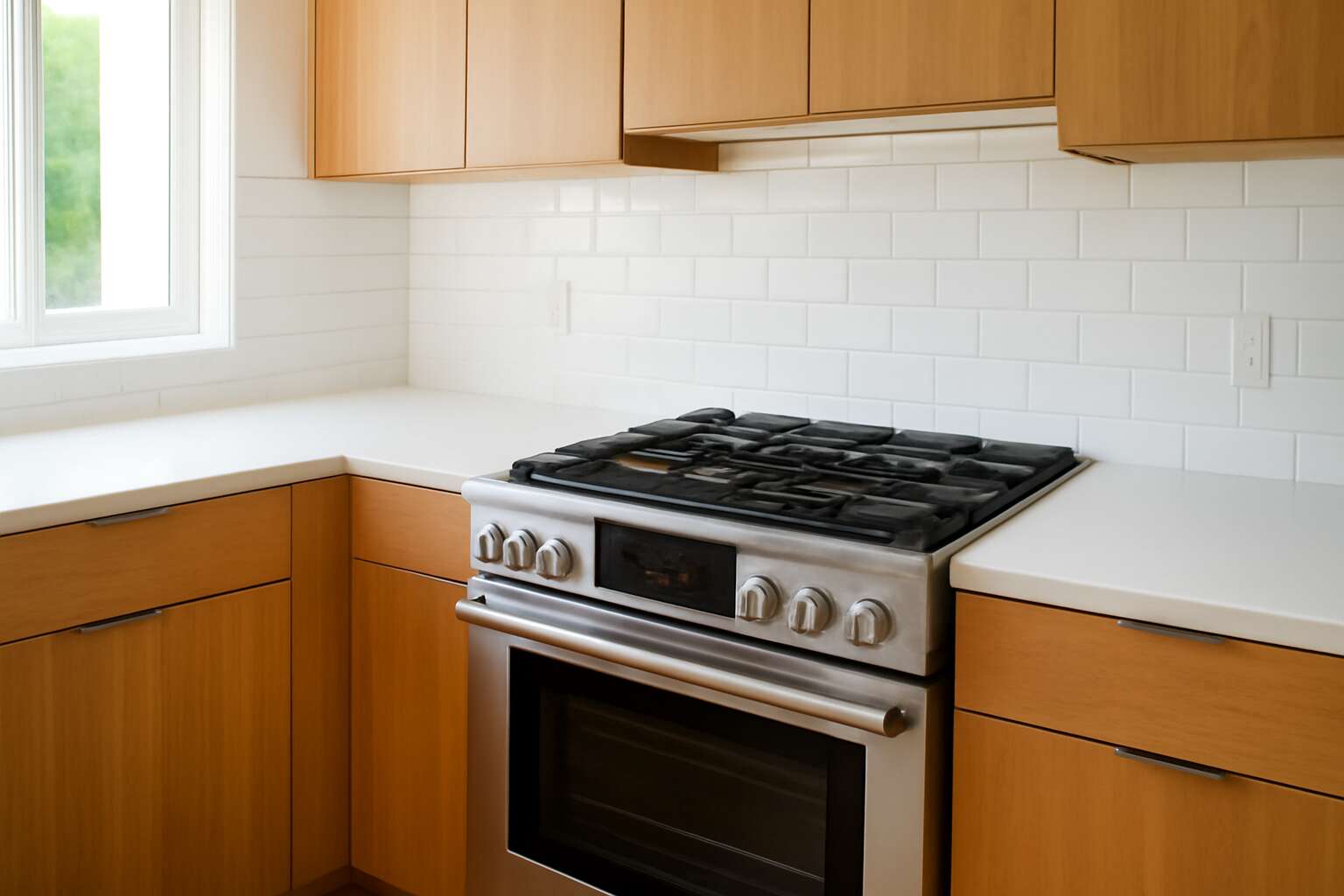
Key considerations for integrating a gas stove into kitchen design
Layout and workflow planning
An inviting flame can redefine a kitchen, and in South Africa the gas stove sits at the center of daily life. This is more than an appliance—it’s a design statement that pairs heat with hospitality! When shaping kitchen design gas stove choices, balance power, safety, and style from the start.
Layout and workflow: position the stove to support a practical work triangle, with prep zone nearby and the sink within reach. Consider gas line routing, shut-off accessibility, and a robust extraction hood for fumes. In SA, external venting is vital to keep air comfortable in open-plan spaces.
- Gas line routing and safety protocols, ensuring shut-off within easy reach
- Ventilation and a powerful range hood to manage steam and odours
- Proximity to prep surfaces and smart storage to support efficient work flow
Finishes matter—heat‑resistant materials, sturdy cookware storage, and a design that keeps warmth in balance with social dining spaces.
Ventilation and gas safety requirements
In South Africa, a well-placed kitchen design gas stove becomes the heartbeat of daily life, where simmering pots and laughter mingle with light. A designer whispered: ventilation is the quiet engine of hospitality. When the flame is lit with intention, the room breathes—air clear, warmth steady, comfort shared.
Ventilation in open-plan SA homes is vital; external venting keeps steam and odours at bay and supports air quality. Gas safety relies on a licensed practitioner, accessible shut-off, and components that meet local standards.
- Ventilation capacity and external venting matched to the stove
- Easy-access shut-off and certified installation
- Heat-resistant finishes and compliant cabinetry
With these considerations, the kitchen design gas stove anchors both elegance and everyday safety, inviting memories to simmer beside the flame.
Countertop and cabinet integration
In SA kitchens, the stove sits at the heart of daily life—about 60% of cooking happens within arm’s reach of the cooktop. A well-integrated kitchen design gas stove becomes a quiet anchor, blending function and character without shouting for attention!
For a kitchen design gas stove, precise countertop and cabinet integration matters. Think flush lines where the cooktop sits in line with cabinetry, and panel-ready fronts that disappear into the room’s rhythm.
- Flush mounting with counter depth and panel-ready fronts
- Heat-resistant finishes and robust cabinet materials
- Integrated storage for pots, pans and lids to keep workflow tight
- Easy service access and clean, low-maintenance zones
Done right, the stove becomes a practical stage for daily rituals and the conversations that follow.
Choosing the right gas stove model for your kitchen
Sealed burner vs open burner design
In South Africa’s bustling kitchens, the right kitchen design gas stove can turn preparation into performance. A well-chosen model doesn’t merely heat; it choreographs rhythm, cutting weeknight simmer times and elevating the cooking ritual with dependable flame and precise control.
Sealed burner design keeps spills contained and makes cleaning a breeze, especially in open-plan spaces. Open burner design, by contrast, often delivers brisk heat and generous flame patterns ideal for wok work or rapid searing, though it demands more supervision and maintenance.
- Cleaning ease and spill containment
- Heat control for simmering vs. high-heat searing
- Cookware compatibility and iron grate stability
Choosing between them depends on cooking style and kitchen flow, balancing practicality with that rare sense of culinary theater.
Gas range vs range with oven configurations
In the South African kitchen, choosing between a gas range and a range with oven is like selecting a character for a stage play—the right choice changes the rhythm of your kitchen, and maybe even your dreams. For a kitchen design gas stove, the question isn’t only size; it’s how you cook and entertain, as if the flame itself approves your plan.
- Gas range: compact footprint, nimble control, and flexible placement when space is tight.
- Range with oven: integrated bake-and-roast capabilities, streamlined rituals, and more overall energy use.
Assess space, lifestyle, and how often you roast; the chosen configuration should blend with your layout and flow, from prep zone to dining area, as if the kitchen guides you.
BTU ratings and burner performance
In the theatre of South African kitchens, flame sets the tempo and scent writes the script. A kitchen design gas stove becomes more than a tool—it is a conductor of meals, guiding simmer, sear, and spectacle. BTU ratings reveal burner performance, from whisper-simmer to power surge.
To gauge the performance, consider these burner personalities:
- Simmering serenade: 4,000–6,000 BTU for delicate sauces and low temps.
- Versatile mid-range: 7,000–9,000 BTU for weekday stir-fries and quick sears.
- High-intensity maestro: 12,000–18,000 BTU for boiling water and blast sears.
Choose a model with an even flame across settings; the right burner choreography should harmonize with your space and dining rituals. A kitchen design gas stove should feel tailored to your table, turning every meal into a small saga.
Professional-grade vs home-use options
In a South African kitchen, the flame is the conductor of weeknight feasts and slow Sundays. A kitchen design gas stove can turn a quiet meal into a small ceremony, but the right model must match your rhythm.
Professional-grade stoves offer rugged construction, tighter tolerances, and longer warranties—ideal for frequent hosting or heavy use—while home-use options deliver approachable controls and value. Choose based on how often you cook, who you feed, and how much maintenance you’re comfortable with.
- Durable build and robust grates for steady masala-scented routines
- Precise simmer and fast boil controls for dependable meal timing
- Accessible service and parts availability in South Africa
Whichever path you take, ensure the model integrates smoothly with your kitchen design and responds to your family’s rituals, not just a price tag.
Fuel options and compatibility in kitchen design
Natural gas vs propane considerations
Heat is the language of a kitchen, and the choice of fuel writes its dialect. In South Africa, natural gas lines service city apartments and modern homes, while bottled propane remains a reliable companion for off grid spaces. Your kitchen design gas stove should harmonize with fuel realities—pressure, delivery, and safety standards shape everything from burner calibration to routine maintenance. A flexible setup can lend economy and exuberance to weekday meals, whether you lean toward the steady hum of natural gas or the adaptable margins of propane!
- Fuel availability and installation constraints
- Regulator compatibility and burner jet settings
- Cost, supply stability, and long‑term efficiency
Choosing the right system is about identity; I have learned the stove becomes part of the home’s rhythm when fuel and design speak the same language. In South Africa, compatibility means regulator approvals, certified components, and accessible maintenance—ensuring the investment endures through seasons of cooking.
Gas line installation and codes
Heat is the kitchen’s language, and in South Africa the kitchen design gas stove often speaks with a steadfast charm. “Gas makes sauces sing,” a veteran chef likes to say, and the fuel reality—city natural gas lines versus bottled propane—drives a lot of design thinking. A stove should harmonize with supply, pressure, and safety standards, shaping burner calibration and routine maintenance at every turn.
- Gas line pressure and regulator compatibility to match local supply realities
- Burner jets and fuel type—natural gas versus propane settings
- Certified components and professional installation to meet codes
Fuel options and compatibility extend to availability, installation constraints, and long-term efficiency. In South Africa, scrupulous adherence to regulator approvals and accessible maintenance makes the investment endure across seasons of cooking.
Future-proofing and hybrid appliance setups
Fuel is the kitchen’s heartbeat, and in South Africa that heartbeat increasingly favors flexibility. “Gas makes precision feel effortless,” a veteran chef likes to claim, and the truth hides in the supply chain as much as in the flame. The stove must align with available fuels, regulator realities, and long-term efficiency, guiding how we imagine future-proofing across layouts and materials.
- Dual-fuel configurations (gas cooktop paired with electric or convection ovens) for reliability and efficiency
- Smart integration and energy storage compatibility to ride load-shedding and peak demand
- Modular components and serviceable design to accommodate upgrades without a full rebuild
These fuel options and compatibility scenarios weave into the broader discipline of kitchen design gas stove, balancing availability, installation realities, and long-term value for South African homes.
Aesthetics and materials to match modern kitchens
Finish options for gas stoves
A kitchen design gas stove isn’t just about sizzle—it’s the visual heartbeat of your space. In modern homes, the finish on your burner and its surrounding surfaces can make the flame feel choreographed, not chaotic.
Finish options that read modern include the following:
- Stainless steel with a subtle micro-brushed texture for a timeless shine
- Matte black enamel for a sleek, low-gloss statement
- Ceramic glass faces or lids for easy cleaning and a premium feel
- Brushed brass or copper accents to add warmth without shouting
Materials matter as much as looks: choose high-grade stainless steel, durable enamel, and sturdy cast-iron grates that hold up to South Africa’s busy kitchens. When you align these materials with your kitchen design gas stove, the space reads cohesive and built to last.
Stainless steel vs panel-ready designs
In bustling South African homes, the finish on a kitchen design gas stove sets tone at a glance—the flame might as well be choreographed by a stylist. It’s not merely cosmetic; this surface carries mood, mirrors light, and signals durability before the first simmer.
Stainless steel, often with a micro-brushed texture, offers timeless shine and resilience. It handles heat, cleans with a wipe, and reads unmistakably premium as it mirrors stone, glass, and tile across the room.
Panel-ready designs offer a different poetry—cabinetry that flows from counter to appliance, delivering seamless lines and a tidy silhouette. They demand exact measurements and carefully chosen panels, but when aligned, the kitchen design gas stove feels built-in, not bolted on.
- Cabinet compatibility and panel matching
- Cleaning access and fingerprint resistance
- Impact on resale appeal and overall cohesion
Color coordination and visual balance
A stove isn’t just utility—it’s the heartbeat of a kitchen. “The kitchen design gas stove is the punctuation in a kitchen story,” a designer in Johannesburg likes to say, and the line sticks. In modern South African homes, color and finish do more than decorate; they guide the eye and set mood. Stainless steel or panel-ready surfaces offer distinct vibes, each catching light from breakfast to late-night chats.
Color coordination and visual balance demand deliberate choices: pair cool steel with warm woods, or let panel-ready finishes disappear into cabinetry for a seamless flow. A subtle palette—charcoal, dove, and stone—can unify appliances with counters without sacrificing personality.
- Stainless steel with cool neutrals
- Panel-ready finishes that mirror cabinetry
Beyond beauty, these finishes shape resale cohesion and daily upkeep; yet the spirit remains tactile. When the kitchen design gas stove is aligned with the room’s materials, it feels built-in, not bolted on.
Vent hood integration and design harmony
Heat and hue mingle in a room that refuses to be merely functional. A Johannesburg designer once said, “The kitchen design gas stove is the punctuation in a kitchen story”—and the thought travels across South Africa. Modern materials shape mood as much as function.
Vent hood integration becomes a design hinge, giving the stove line a natural rhythm. When the hood mirrors cabinetry and finishes, the space feels cohesive. These finish directions illustrate how vent hood choices harmonize with finishes:
- Matte stainless with charcoal neutrals
- Glass canopy reflecting cabinet lines
- Timber or stone accents for warmth
Finished thoughtfully, the stove and vent become a single breath of texture and light—unseen yet essential.
Maintenance safety and energy efficiency for gas stoves
Regular maintenance and cleaning tips
South African kitchens love gas, and smart upkeep can trim energy use by up to 20%. When energy efficiency meets thoughtful kitchen design gas stove planning, you get speed, control, and fewer regrets when the timer pings. The flame deserves respect, not freelancing.
Maintenance safety goes beyond splashes. Regular checks by a licensed pro keep seals tight and hoses sound, reducing leaks and uneven flames. A well-kept burner means steadier heat and less soot. A nearby CO detector earns big peace of mind.
To save energy, a mindful approach to cooking honors the design—heat, cookware, and the wisdom of letting residual heat finish the job. It’s a small habit that harmonises form and function for kitchen enthusiasts who care about both.
Gas safety best practices
In the realm of kitchen design gas stove, safety and efficiency walk hand in hand. In SA homes grappling with energy tariffs and outages, smart upkeep can trim energy use by up to 20%. A well-tuned flame means speed, control, and fewer regrets when the timer pings. The flame deserves respect, not freelancing.
Maintenance safety isn’t only about splashes; regular checks by a licensed pro keep seals tight and hoses sound, reducing leaks and uneven flames. A nearby CO detector earns big peace of mind.
- Have seals and hoses inspected annually by a licensed professional
- Test and position a CO detector in the kitchen zone
- Select cookware that matches burner size to minimize wasted heat
Energy efficiency is about how you cook and how the space supports it. Let residual heat finish the job, simmer with lids, and choose flat-bottomed pans for even contact.
Energy efficiency and performance optimization
A reliable flame is the quiet engine of the kitchen. Across SA homes facing energy tariff hikes and outages, smart upkeep can trim energy use by up to 20%. A well-tuned stove isn’t just fast—it brings a calm rhythm to dinner when the timer finally pings and the pan sings.
In kitchen design gas stove configurations, maintenance is a safety pact: seals and hoses receive annual checks by a licensed professional to keep leaks away and flames even. A nearby CO detector earns true peace of mind amid evening bustle.
- Annual checks by a licensed technician help keep connections tight and burners steady, reducing the chance of uneven flame performance.
- A CO alarm placed in the cooking zone, tested regularly, adds a clear layer of safety for busy homes.
- Cookware matched to each burner size minimizes heat wastage and improves overall efficiency.
Energy efficiency flows from how you cook and how your space supports it. Let residual heat finish the job, simmer with lids, and choose flat-bottomed pans for even contact. A well-considered kitchen design gas stove setup keeps heat where it belongs, not creeping into walls or cabinets.
Smart features for monitoring and safety
A well-planned kitchen design gas stove isn’t just about looks—it’s a safety pact and a quiet energy saver in South Africa’s kitchens. Annual checks by a licensed technician keep seals and hoses tight, cut leaks, and keep burners even. A CO detector in the cooking zone adds true peace of mind amid dinner rush. Regular service beats drama when a simmer goes rogue.
- Flame failure protection and smart sensors trigger a shut-off if the flame extinguishes unexpectedly.
- Real-time monitoring with a connected app provides remote alerts for abnormal flame, gas pressure, or unexpected heat rises.
- Integrated diagnostics remind you when hoses, seals, or connections show wear, prompting timely professional checks.
Energy efficiency flows from smart use and smart space. Let residual heat finish the job, simmer with lids, and choose flat-bottomed pans for even contact. A kitchen that is thoughtfully planned sticks heat to the pan—not in the cabinet.


0 Comments