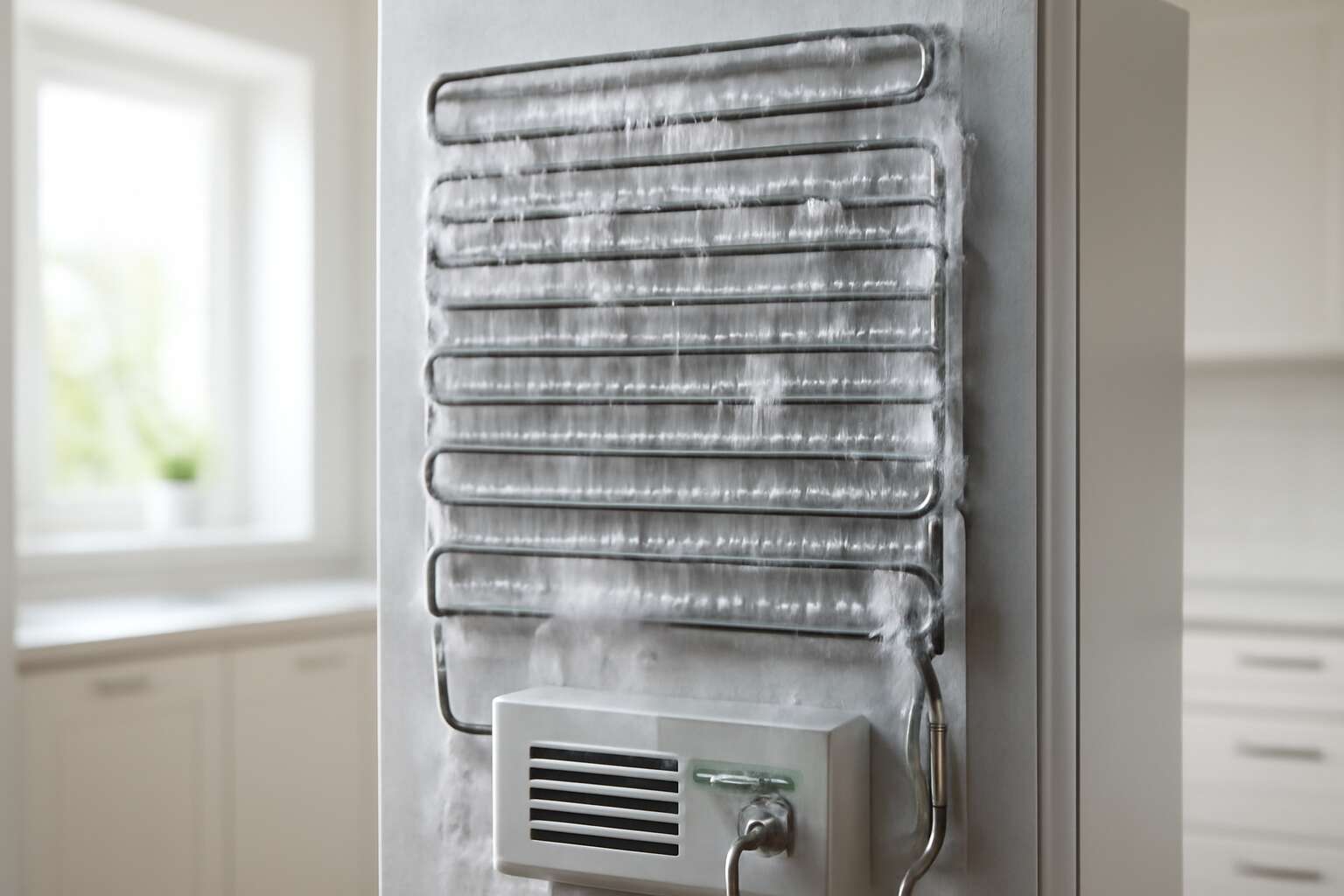
Understanding Refrigerator Gas Leaks
Causes of leaks in modern fridges
One in five South African households notices odd cooling patterns before a fault; a quiet prelude to bigger problems. Refrigeration is a closed system, and a leak can drift in like a ghost, changing temperatures and efficiency without fanfare!
Understanding refrigerator gas leaks is less about drama and more about physics—the refrigerant, seals, and copper lines form a tight lattice. Recognising fridge gas leak symptoms—frost, warmth, or hissing—helps frame what follows. I’ve seen owners mistake these signs for ordinary aging, until frost thickens or a hiss becomes audible. Causes of leaks in fridges include worn door gaskets, loose fittings, damaged coils, and accidental punctures during repairs. A professional diagnosis is essential.
Origins include:
- damaged door seals and gaskets
- loose fittings on copper lines
- cracked evaporator coils or copper tubing
- corrosion from moisture and condensate
Ultimately, a professional assessment clarifies the leak’s scope and its impact on efficiency and safety.
Types of refrigerants and their safety profile
In South African homes, the hum of a fridge can mask a bigger truth about refrigerants. Types of refrigerants and their safety profiles shape how leaks are understood. From the enduring R-134a to hydrocarbon blends like R-600a (isobutane) and newer low-GWP options such as R-290 (propane), each choice carries its own balance of efficiency and risk. fridge gas leak symptoms often ride on subtler cues than frost or warmth, mingling physics with everyday life.
- R-600a (isobutane) — efficient but flammable, requiring ventilation considerations.
- R-134a — lower flammability, but higher global warming potential.
- R-290 (propane) — excellent efficiency, yet flammable and system size concerns.
Each choice shapes not just cooling, but how you perceive the quiet drama of a unit that keeps life running.
What leaks do to appliance performance and longevity
South African kitchens know the quiet hum of a fridge, yet hidden leaks whisper of a different story. Understanding fridge gas leak symptoms keeps the daily rhythm intact and guards the long-term health of the appliance. When comfort hides a flaw, the home’s pulse risks a slower, more fragile tempo.
Leaks disturb performance and longevity by forcing the system to run harder. Cooling falters, temperatures swing, frost crawls, and energy use climbs. The compressor endures more cycles, shortening the fridge’s lifespan. Subtle cues—unusual noises, damp corners, and musty air—join the chorus of potential signs.
- Unexplained temperature fluctuations
- Excess frost or condensation buildup
- Strange gurgling or hissing sounds
- Visible leaks or oily residue around connections
Recognising these indicators speaks to care earned over years in South African homes, where the appliance sits at the center of daily life. The narrative of a fridge is, in truth, the story of a household weathering time.
Identifying Physical Signs That Signal a Leak
Excessive frost or condensation buildup
Frost that clings stubbornly to the interiors of a fridge is not just a nuisance; it is a quiet confession of something amiss. These fridge gas leak symptoms begin as a chill in the wrong places, a whisper that something has shifted beneath the surface.
Excessive frost or condensation buildup signals a fault in the cooling cycle, especially around seals and along the back panel in South African kitchens. The following physical cues often accompany a leak:
- Excessive frost on interior walls or shelves
- Condensation pooling on the floor or door gaskets
- Icy buildup around the door seal or condenser area
- Unusually warm pockets inside the fridge or freezer
These conditions form a tapestry of fridge gas leak symptoms, a sensory alert that invites closer inspection and curiosity rather than dismissal.
Unusual odors near the appliance
Sharp odors around the fridge are rarely innocent. “Bad smells are budget alerts,” says a South African kitchen tech, and they often precede bigger problems. When a sour, chemical, or oily scent lingers near the appliance, fridge gas leak symptoms are a real possibility that deserves a closer look.
Unusual odors near the appliance can signal a leak even before frost or condensation give it away. The scent may come on suddenly or intensify as the compressor runs, hinting at a gas release or refrigerant contact with plastic components.
- Sweet, ether-like sweetness
- Sour or metallic chemical notes
- Faint oily or solvent-like smell near the back panel
These cues fit the pattern of fridge gas leak symptoms and raise the level of concern, especially in homes with pets or children around in SA kitchens.
Visible coolant traces or damp spots around the unit
In SA kitchens, a quiet omen travels faster than frost: fridge gas leak symptoms often begin as unseen tremors. “A little dampness is a loud alarm,” says a seasoned SA kitchen technician, and the truth rings clear. When the air around your fridge carries a metallic edge, heed the warning.
Visible coolant traces or damp spots around the unit stand out as early, tangible signs. Look for pale stains along the kickboard, puddles on the floor, or a sheen on the back panel where the refrigerant meets plastic. Such indicators demand careful attention.
These signs turn risk into reality, guiding the observer to the heart of the matter. In a South African kitchen, the pattern of coolant traces speaks louder than silence itself.
Hissing or whooshing sounds near the back
In SA kitchens, the first omen is a soft hiss that threads through the unit’s skin. “Hissing is a bellwether,” a seasoned SA kitchen technician notes, and it travels faster than frost. Fridge gas leak symptoms often begin as an unseen tremor before anything leaks into sight.
Hissing or whooshing sounds near the back of the appliance point to the move from subtle worry to tangible risk, as if a small storm is moving through copper veins. You might notice the compressor kicking in more erratically, or a metallic edge in the air as refrigerant shifts. These noises are your auditory early warnings.
Consider these telltale auditory cues:
- Hissing or whooshing near the back panel
- Rising, irregular compressor noise
- Unexplained changes in cooling rhythm when doors are opened
Health, Safety, and Environmental Impacts
Health risks from refrigerant exposure
One breath near a fridge can tell a dangerous tale—the silent drama unfolding in the air rather than on the floor. A sharp reminder from a veteran technician: ‘What you can’t see can hurt you,’ especially in busy South African kitchens.
Health-wise, refrigerant exposure can irritate eyes, lungs, and the throat, sometimes triggering dizziness or headaches in enclosed spaces. Recognising fridge gas leak symptoms helps protect family health and keeps the home atmosphere humane rather than hazardous.
- Respiratory irritation and headaches
- Eye or skin irritation
- Dizziness or faintness in poorly ventilated rooms
- Environmental strain from gas leakage
Environmental and safety implications go beyond the walls of the kitchen: refrigerants are potent greenhouse gases, and leaks amplify climate impact while posing acute harm in confined spaces. In South Africa, this double burden underscores why rapid professional assessment matters.
Fire and electrical hazard considerations
South African kitchens hum with activity, yet danger can whisper from the back of a fridge. fridge gas leak symptoms can surface as headaches, irritated eyes, or a damp, metallic scent—quiet signals that demand attention. A veteran technician often reminds us, “What you can’t see can hurt you,” a truth that lands hardest when ventilation is scarce. Recognising these signs protects health and keeps living spaces humane!
From safety and fire perspectives, a leak stretches beyond illness. It can undermine electrical components, trigger overheating, and raise the risk of sparks in tight spaces—hidden hazards that demand respectful vigilance.
Environmentally, refrigerants are potent greenhouse gases; leaks magnify climate impacts, especially in South Africa’s crowded towns and warm interiors. In this context, rapid professional assessment helps protect people and the planet.
Impact on indoor air quality and ventilation
In South African kitchens, fridge gas leak symptoms can drift through the home like a quiet heatwave. When ventilation is scarce, even a small refrigerant seepage can haze indoor air, undermining comfort and clarity without obvious red flags.
- Air becomes laden with unseen contaminants as refrigerants mix with moisture
- Humidity rises, inviting damp and mould in confined spaces
- Ventilation systems strain, reducing efficiency and air turnover
Environmentally, refrigerants are potent greenhouse gases; leaks compound climate pressures in crowded towns and warm interiors. A broader view shows how indoor air quality and ventilation shape daily life in SA, where heat and housing density intensify exposure risks.
Environmental regulations and refrigerant handling
Fridge gas leak symptoms can drift through a home like a quiet heatwave, especially in South Africa’s dense, sun-baked kitchens. A small seepage quietly weighs on indoor air quality, nudging humidity and comfort without obvious red flags. It’s not dramatic, but it’s real!
Health and safety take center stage. Refrigerants are potent greenhouse gases; exposure can irritate eyes, nose, and throat, and higher concentrations can affect breathing. In poorly ventilated spaces, risks feel immediate.
- Regulatory framework: SA environmental laws govern containment and reporting.
- Licensing: certified technicians and approved disposal are required.
- Monitoring: audits and inspections keep leaks to a minimum.
Environmental regulations and refrigerant handling set the rules of engagement, guiding manufacturers, landlords, and service providers. In South Africa, these policies tie safety to climate targets and ensure that refrigerant management aligns with broader air-quality goals.
What to Do If a Leak Is Suspected
Immediate safety steps (evacuation, power off)
Across South Africa, a silent hazard can lurk in the kitchen: fridge gas leak symptoms can surface swiftly, turning a quiet evening into an urgent safety moment. As a safety expert puts it, “When a leak is suspected, safety is non-negotiable.”
When you suspect a leak, act calmly and evacuate the area, then switch off the power to the unit. The following steps help contain risk without diving into speculation:
- Leave the area and move to fresh air; avoid creating sparks or ignition sources.
- Switch off the main power at the distribution board before attempting to re-enter, if at all safe to do so from a distance.
- Call a licensed technician or your local emergency number to assess and repair; do not attempt repairs yourself.
Once professionals have confirmed safety, ventilation and a cautious re-entry plan can be discussed, keeping fridge gas leak symptoms in mind and prioritising occupant safety.
How to confirm a leak safely
A silent alarm hums in the kitchen, waiting for the moment a fridge gas leak symptoms reveal themselves. In South Africa’s busy homes, a calm room can hide a dangerous whisper! “When a leak is suspected, safety is non-negotiable,” a safety expert reminds us, and that vigilance is the first step toward peace of mind.
To confirm safely, a licensed technician conducts diagnostic tests with approved detectors and refrigerant testing methods, not by guesswork.
- Professional leak detection with refrigerant tracer and electronic detectors
- Air quality and ventilation assessment by a qualified technician
Let the professionals map risk and outline a careful re-entry plan, and I’ve learned to trust that caution above all. Experience has taught me that staying patient saves lives.
Who to contact: licensed technicians and emergency services
Fridge gas leak symptoms can hide in plain sight in a bustling kitchen—a faint odour, a sudden damp patch, or frost that behaves oddly. If you notice fridge gas leak symptoms, don’t guess. The next move is simple: contact a qualified professional. In my experience, calling a licensed technician quickly and letting them test with approved detectors beats chasing shadows. Patience and prompt reporting protect people and homes in SA’s fast-paced households.
Who to contact when a leak is suspected:
- Licensed technicians with refrigerant-handling certification
- Emergency services (local fire or gas emergency line)
Let the professionals map risk and outline a safe plan for the space. I’ve learned that relying on trained eyes brings peace of mind, not panic, when fridge gas leak symptoms appear.
Estimating repair costs and insurance implications
The moment fridge gas leak symptoms surface, stay calm and act with measure. The hidden cost of neglect is steep—the longer the fault lingers, the bigger the repair bill and the disruption to daily life in a busy kitchen.
Your move is to call a licensed technician with refrigerant-handling certification. Request a formal estimate that separates diagnostic fees from repair work, and ask for a transparent plan before any part is touched.
- Diagnostic fees and shop time
- Refrigerant recharge, part replacement, and possible decontamination
- Insurance implications, claim steps, and required documentation
Keep careful records—quotes, correspondences, and receipts—as insurers in SA often review evidence before approving a fridge-related claim, and early, documented action can ease the path to resolution.
Temporary cooling and storage solutions
When fridge gas leak symptoms surface, the kitchen hushes and every shelf wears a clue. A sudden warmth in the chill compartment, a stale tang, or an odd hiss can turn worry into questions in seconds.
Temporary cooling and storage solutions become a balancing act in a bustling SA home. The aim is to preserve perishables while the underlying fault is understood, without letting noise and fear derail the timeline or the decisions ahead.
- Notes on the timing and conditions of observed symptoms
- Any smells, noises, or changes in cooling
- Copies of any correspondence or estimates for records
Prevention, Maintenance, and Replacement Considerations
Routine maintenance to reduce leak risk
In a quiet South African kitchen, fridge gas leak symptoms can slip past notice—the chill grows uneven, the air tastes metallic, and the unit sighs with a wary hiss.
Prevention begins with steady care: clear airflow, avoid overloading, and check door seals. A little vigilance now saves bigger repairs later.
Maintenance routines to reduce leak risk pay off in quiet reliability. Consider these checks at gentle intervals:
- Have a professional inspection at least once a year
- Inspect door gaskets for cracks and replace as needed
- Clean condenser coils and ensure unobstructed ventilation
- Ensure the drip pan and drainage are clear of blockages
Replacement considerations: when repair bills mount or the appliance ages beyond its prime, weighing cost against downtime and safety becomes practical poetry. Recognising these symptoms early helps guide these decisions.
Best practices for refrigerant safety and handling
Prevention starts with steady care. In South African kitchens, a quiet fridge can hide trouble until it’s too late. Recognising fridge gas leak symptoms early helps prevent bigger bills and mess. When airflow stays clear, loads are sensible, and door seals stay firm, the chill stays even.
Maintenance is practical, not dramatic. The rhythm matters: a yearly professional inspection, careful assessment of door gaskets, and keeping condenser coils dust-free with unblocked ventilation. A clean drip pan and straightforward drainage quietly support reliability and safety.
Replacement becomes smart when repair bills climb or the appliance ages. The decision balances downtime, upfront cost, and ongoing safety. A cautious approach to fridge gas leak symptoms and best practices for refrigerant safety and handling reduces risk and protects indoor air quality in busy SA homes.
Choosing a service provider and warranty tips
Prevention starts with sharp eyes and sharper routines. In busy SA kitchens, fridge gas leak symptoms can creep in without fanfare, inflating bills while the unit quietly labours. Stay vigilant: tiny cracks, odd frost, or damp spots deserve attention.
Maintenance keeps trouble small and predictable.
- Check door seals for gaps and replace pliable gaskets
- Dust condenser coils and ensure clear ventilation
- Keep the drip pan clean and drainage unblocked
Replacement considerations and warranty tips: When repairs exceed a smart threshold or the fridge is aging, replacement becomes sensible. Choose a licensed technician with clear quotes, upfront warranty terms, and service that covers refrigerant handling. Check transferability of warranties and call-out fees.
Deciding between repair vs replacement
Prevention begins with vigilant eyes; catching fridge gas leak symptoms early saves money and peace of mind. In busy SA kitchens, a quiet frost or a faint damp spot can quietly bloom into mounting bills while the unit labours in the background. Treat tiny cracks and odd frost as warnings.
Maintenance keeps trouble small and predictable; a few routine checks save money and stress.
- Check door seals for gaps and replace pliable gaskets
- Dust condenser coils and ensure clear ventilation
- Keep the drip pan clean and drainage unblocked
Replacement considerations and warranty tips: When repairs exceed a smart threshold or the fridge is aging, replacement becomes sensible. Choose a licensed technician with clear quotes, upfront warranty terms, and service that covers refrigerant handling. Check transferability of warranties and call-out fees.
Monitoring efficiency to catch early signs
Prevention in a bustling SA kitchen hinges on awareness and a little curiosity. fridges don’t advertise their flaws, but fridge gas leak symptoms tend to arrive as stubborn frost, damp patches, or a louder hum from the back—signals that deserve a closer look before the bills mount.
Maintenance, when done with a light touch, keeps trouble small and predictable. Regular monitoring of cooling performance and unusual odours helps separate minor quirks from real danger; keeping an eye on energy use and frost patterns lets you detect strain early, before the appliance loses its cool.
Replacement considerations and warranty tips: When repairs exceed a smart threshold or the fridge is aging, replacement becomes sensible. Seek quotes from licensed technicians, read warranty terms, and note who covers refrigerant handling and call-out fees. A careful assessment now can prevent tougher consequences down the line.




0 Comments