The Role and Responsibilities of a Gas Appliance Specialist
Behind every flaming geyser and every simmering stove lies the careful hand of a gas appliance fitter. In South Africa, this specialist carries a weight most homeowners never see. One wrong connection can turn comfort into catastrophe! The job demands precision, patience, and a deep respect for pressure.
Their responsibilities stretch far beyond turning a spanner. A fitter assesses ventilation, checks pipe integrity, and verifies that every appliance meets SABS standards. They read the subtle signs of wear, the faint hiss that signals danger. It is a quiet vigilance, executed in tight spaces and behind kitchen cabinets.
- Install new gas appliances and systems
- Conduct leak detection and safety inspections
- Repair or replace faulty components
- Ensure compliance with local regulations
Each task requires judgment, not guesswork. Gas is unforgiving. The gas appliance fitter knows this, and that knowledge shapes every decision they make.
Pathways to Becoming a Certified Gas Appliance Technician
Very few people grasp the discipline behind the certification process for a gas appliance fitter. This is not a weekend course. The route involves structured theoretical study, practical assessments, and enforcement by industry regulatory bodies.
For those considering this pathway, the steps typically unfold as follows:
- Complete an accredited basic training module covering combustion principles and safety protocols.
- Log a prescribed number of supervised installation hours in real working conditions.
- Pass the trade test that evaluates your ability to troubleshoot faults under pressure.
Each stage is designed to eliminate carelessness. You learn to identify combustion faults and correct them on the spot, often while a client watches. Practical hours in the field reveal whether someone has the temperament for the trade. The title of certified technician is not handed over lightly, and it should not be! In my experience, the ones who succeed take this responsibility seriously. A qualified gas appliance fitter must also stay current with evolving regulations and new equipment standards.
Essential Safety Protocols and Regulatory Compliance
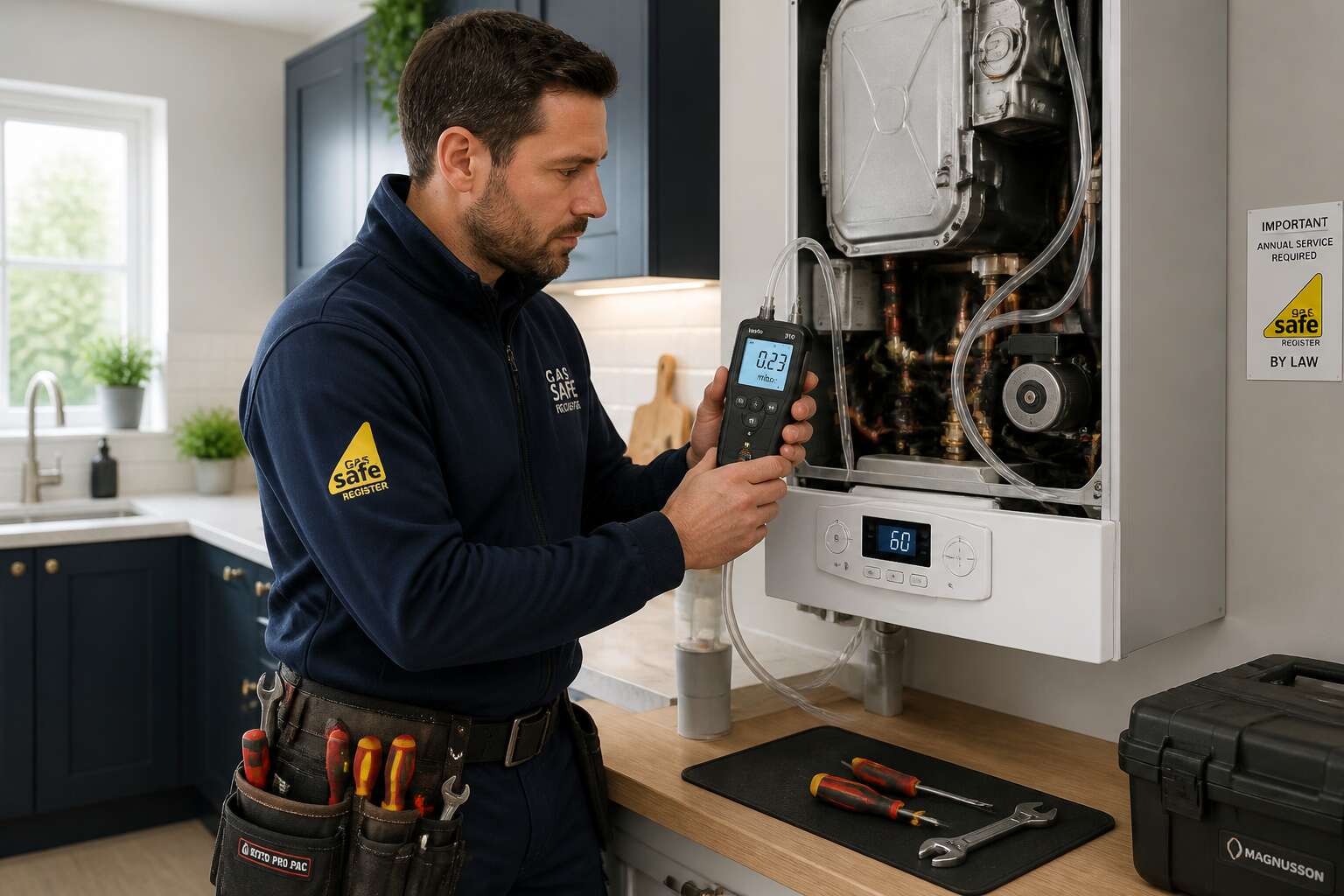
There’s a peculiar comfort in watching a gas appliance fitter work. They arrive with quiet authority, carrying a calibrated gauge and a list of credentials that would make a librarian jealous. In South Africa, where regulations are as robust as the sunshine, compliance is not a suggestion. It is a contract with your own safety. I recently watched a professional perform a pressure test, a ritual of patience and precision.
A proper fitter will always:
– Verify the pressure before and after installation
– Check for leaks with a manometer, never a match
– Inspect the flue for clearances
That last step is where amateurs fail. Without a valid certificate of conformity, a gas appliance fitter is a source of anxiety I wouldn’t wish on anyone. Your insurer will simply shrug off a claim without it. So, when you hire that fitter, remember that their meticulous habit is your peace of mind, measured in millibars.
Hiring a Qualified Gas Appliance Professional
The faint, telltale hiss of a gas leak is a sound that should instantly curdle your blood. It is the olfactory and auditory equivalent of a raised eyebrow from a disapproving aunt, a warning that something in your domestic sphere is profoundly amiss. When that sound appears, your immediate thought should not be to grab a wrench and hope for the best. Instead, it is time to summon a certified gas appliance fitter, a professional whose very existence is a bulwark against chaos.
Engaging a qualified individual is not merely a matter of ticking a regulatory box. It is a declaration that you respect the volatile nature of the fuel that cooks your dinner. A truly competent fitter will arrive with a calibrated manometer and a steady gaze, ready to scrutinise your installation for the invisible gremlins that plague the untrained eye. They will check for the things you cannot see, like the integrity of the copper piping or the correct ventilation flow. A professional gas appliance fitter treats the job with the solemnity of a bomb disposal expert, because, in a very real sense, they are.
When you interview a candidate for the task, be prepared to ask pointed questions about their credentials. You should verify their registration with the relevant South African authority, as this is non-negotiable. The validation process should include a few key checks.
– Confirming their valid registration certificate and ID.
– Requesting a detailed written quote that itemises labour and parts.
– Asking for a reference from a recent installation.
The difference between a handyman and a certified gas appliance fitter is the difference between a sketch and a blueprint. One is a suggestion, the other is a precise specification. When the work is done, they should provide you with a certificate of conformity, a document that is your shield against future liability. Without this piece of paper, your insurance provider will likely baulk at any claim related to the appliance. It is a simple transaction of trust for a document, a receipt for peace of mind.
Do not be seduced by a bargain price that seems too good to be true. That discount often hides a lack of insurance or a hurried, sloppy job that will cost you far more in the long run. A proper technician will spend the necessary time purging the line and testing every joint with a leak detection fluid, watching for the telltale bubbles with the patience of a fisherman. The smell of boerewors on the braai is a joy, but the smell of mercaptan in the kitchen is a tragedy. Choose your professional with the same care you would choose a surgeon, because they are both in the business of preventing fatal mistakes.
Typical Costs and Price Factors for Gas Appliance Services
Most emergency gas appliance services in Johannesburg start at R450 before a wrench turns. A standard hob installation costs R1,200 to R2,500, while a 150L gas geyser runs from R3,500 to R6,000 with ventilation and mounting kits included.
A qualified gas appliance fitter calculates the price from a few variables: pipe run length, cylinder position, wall material, and the appliance type. Existing copper piping that needs cutting back adds hours. A missing regulator, old flexible hoses, or non-compliant ventilation will all increase the tab.
Here are the most common cost drivers:
- Pipework from regulator to appliance, quoted per metre
- Flue kits and ventilation upgrades required by municipal by-laws
- Removal and disposal of the old unit
- Pressure testing of the existing gas line
An unregistered gas appliance fitter might undercut the market by R500, but that saving disappears when a leak is found months later. Certified work, municipal notification, and correct paperwork typically show up as the difference between a cheap quote and a safe one.
Common Gas Appliance Issues and Preventative Tips
Most homes in South Africa rely on gas for cooking or heating, which means the hardware takes a beating. Over time, the thermocouple can fail, the burners can clog with grease, or the gas hose might degrade. These are not just annoyances; they pose a real safety risk. People often ignore a yellow flame, assuming it is normal, but that is a sign of incomplete combustion. Similarly, a pilot light that keeps extinguishing is usually a symptom of a deeper internal fault. For these issues, the expertise of a trusted gas appliance fitter becomes essential, not just for repairs but for diagnostics.
Regular maintenance is the shield against sudden failure. A simple visual inspection of your flexi-hose for cracking or brittleness can prevent a dangerous leak. Check the seals around the knobs; if they feel loose, the gas appliance fitter should tighten them during his next routine visit. These small anomalies, when left alone, tend to multiply into expensive problems.
Potential faults you can monitor yourself include:
– Condensation building up on the glass of a gas heater.
– A persistent smell of gas during operation.
– Soot stains appearing on the surface above the burners.
Pay attention to these signs. They indicate the unit is not burning cleanly. It is a good idea to have your system serviced annually, ideally before winter hits. A professional gas appliance fitter will test the gas pressure and ensure there is no carbon monoxide risk. This kind of preventive scrutiny keeps the appliance efficient and your family safe, allowing you to enjoy the simple comfort of a hot stove without worry. It is about reliability, and in South Africa, we know the value of a trustworthy flame.



0 Comments